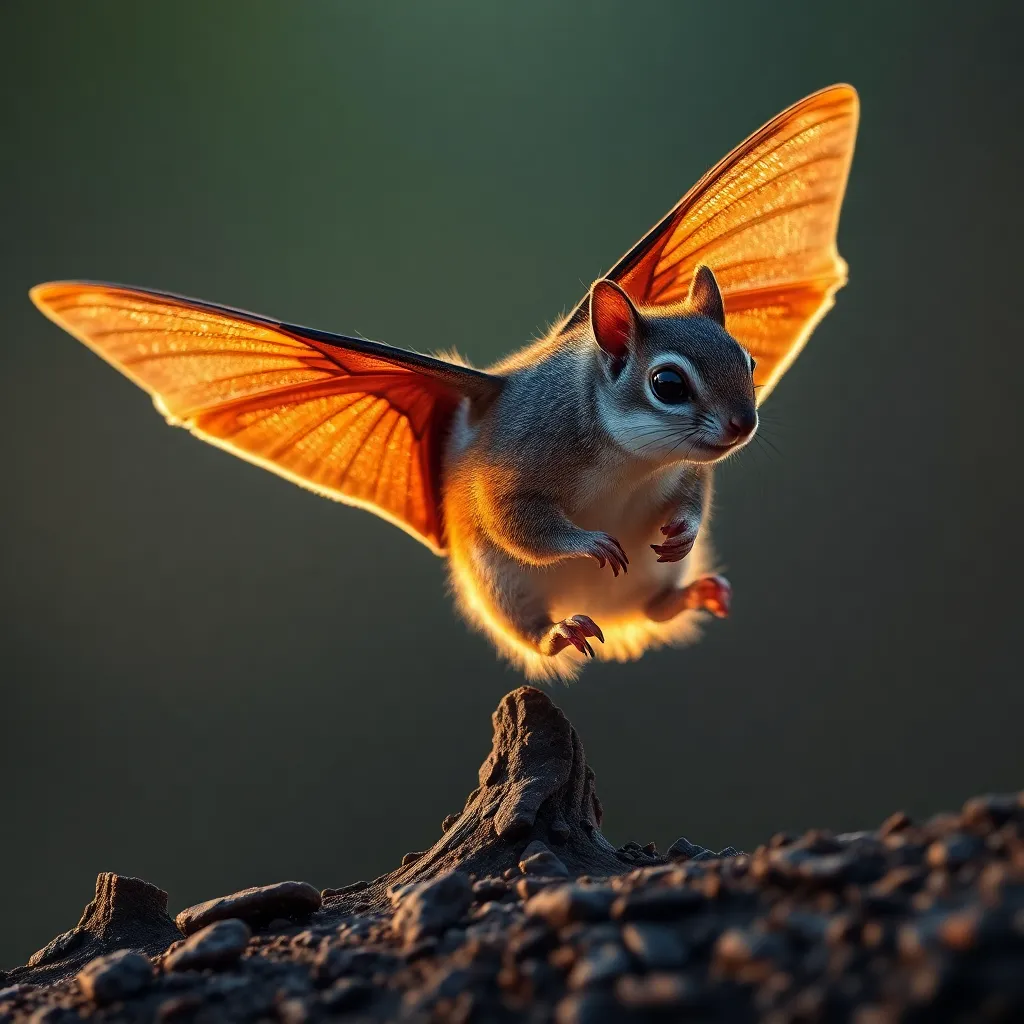
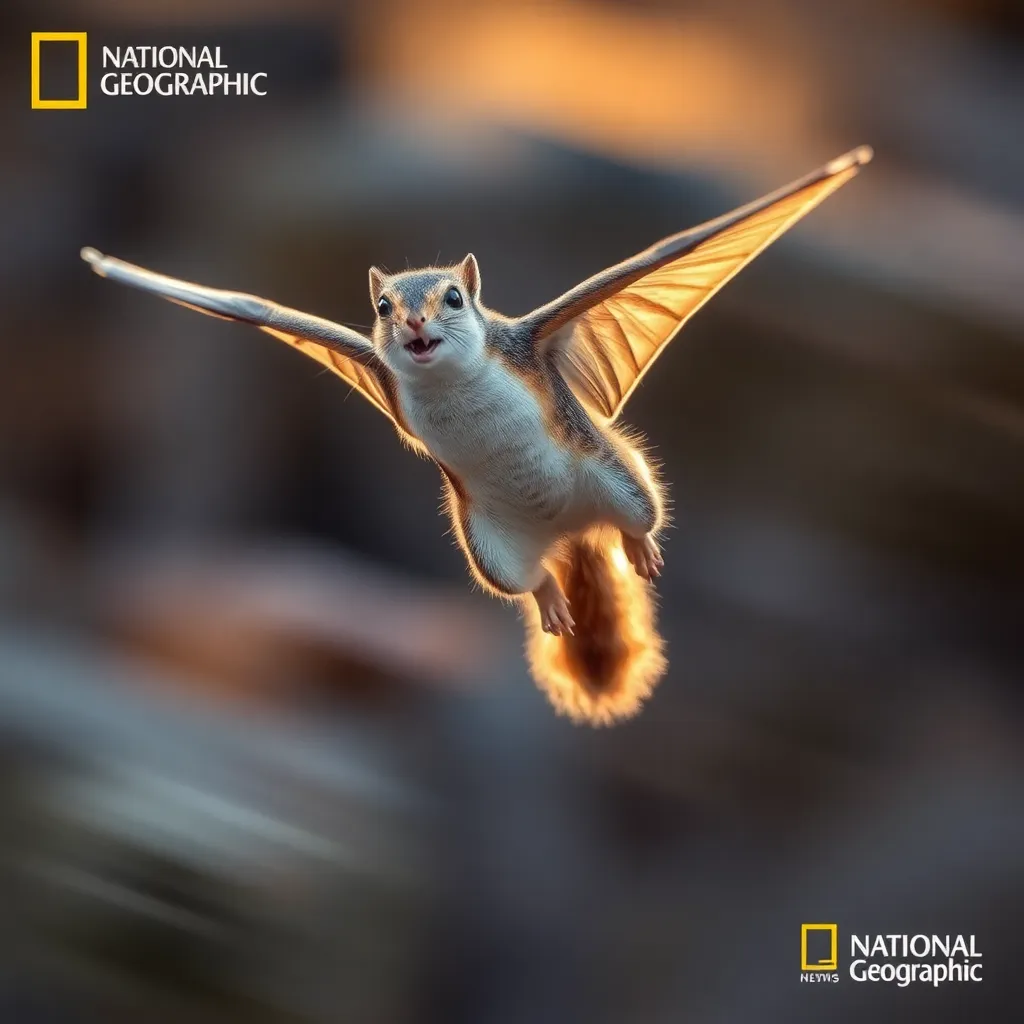
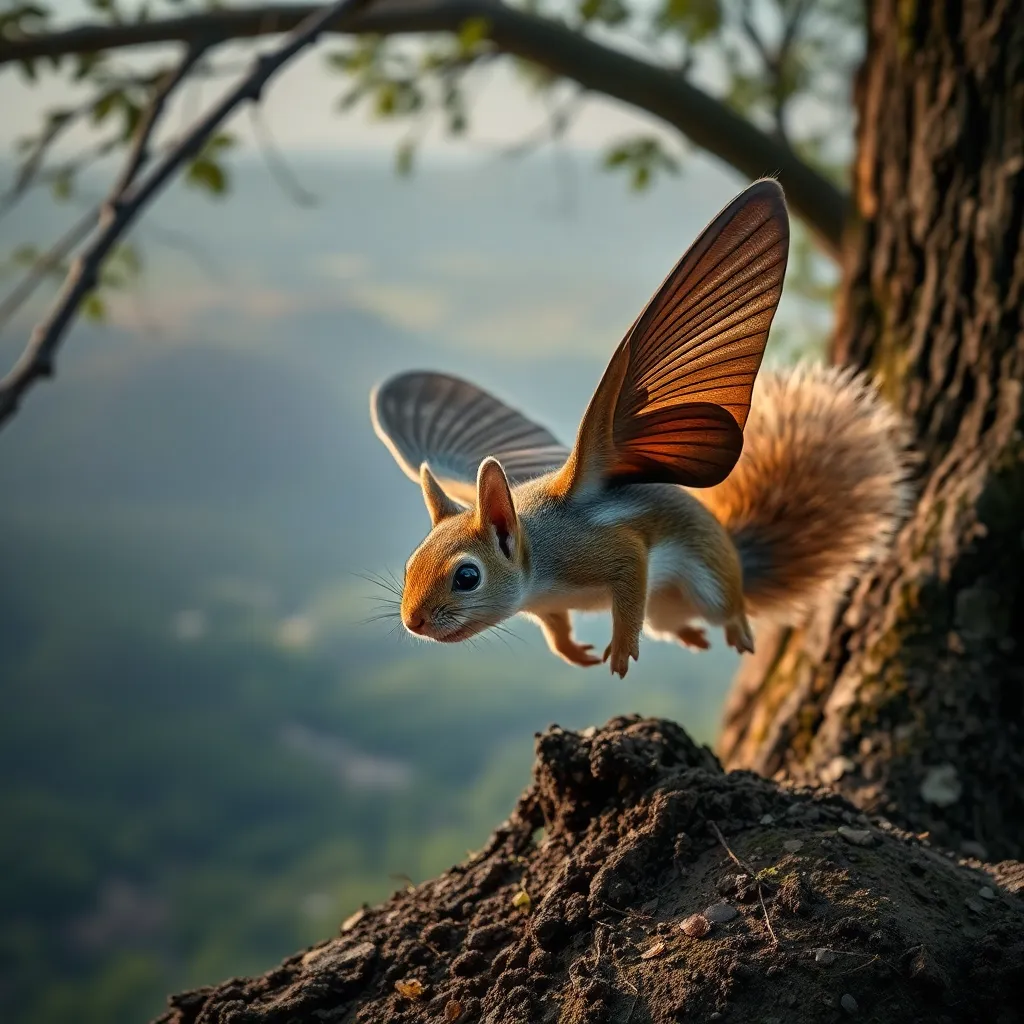
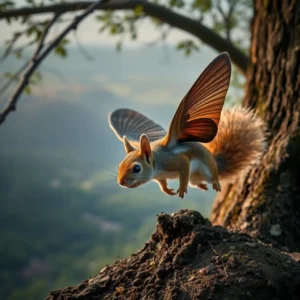
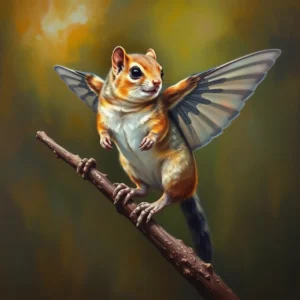
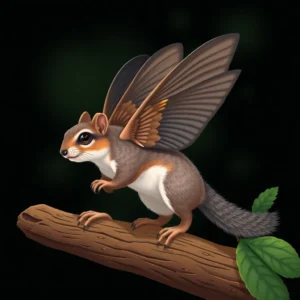
The southern flying squirrel is one of North America’s most overlooked mammals — secretive, strictly nocturnal, and capable of gliding silently between trees using a membrane called the patagium that stretches from wrist to ankle. Despite its name, the flying squirrel cannot truly fly but glides with extraordinary precision, steering with its flattened tail and adjusting the tension in its patagium to land within centimeters of a targeted branch. Under ultraviolet light, flying squirrels glow a vivid pink, a fluorescence whose biological purpose remains a fascinating scientific mystery.
About the Flying Squirrel
Glaucomys volans
Advertisement
⚡ Speed Comparison
📸 Photo Gallery


💡 Fun Facts
01
Under ultraviolet light, flying squirrels fluoresce bright pink — a phenomenon discovered in 2019 whose biological purpose is still unknown.
02
They can glide distances of over 90 meters from a single launch, adjusting direction mid-glide with remarkable accuracy using their flattened tail as a rudder.
03
Flying squirrels cache tens of thousands of nuts per season and have spatial memory accurate enough to relocate most of them months later under snow.
04
They are highly social and nest communally in winter groups of up to 50 individuals to conserve body heat.
05
Flying squirrels communicate with ultrasonic calls above 40 kHz, entirely inaudible to humans, to coordinate with colony members at night.
📍 Where to Find This Animal
Habitat Types:
Deciduous & Mixed Forest
🛒 Flying Squirrel Related Gear
As an Amazon Associate we earn from qualifying purchases.



Join the Conversation
Share your thoughts about the Flying Squirrel