The World’s Largest Wild Cat
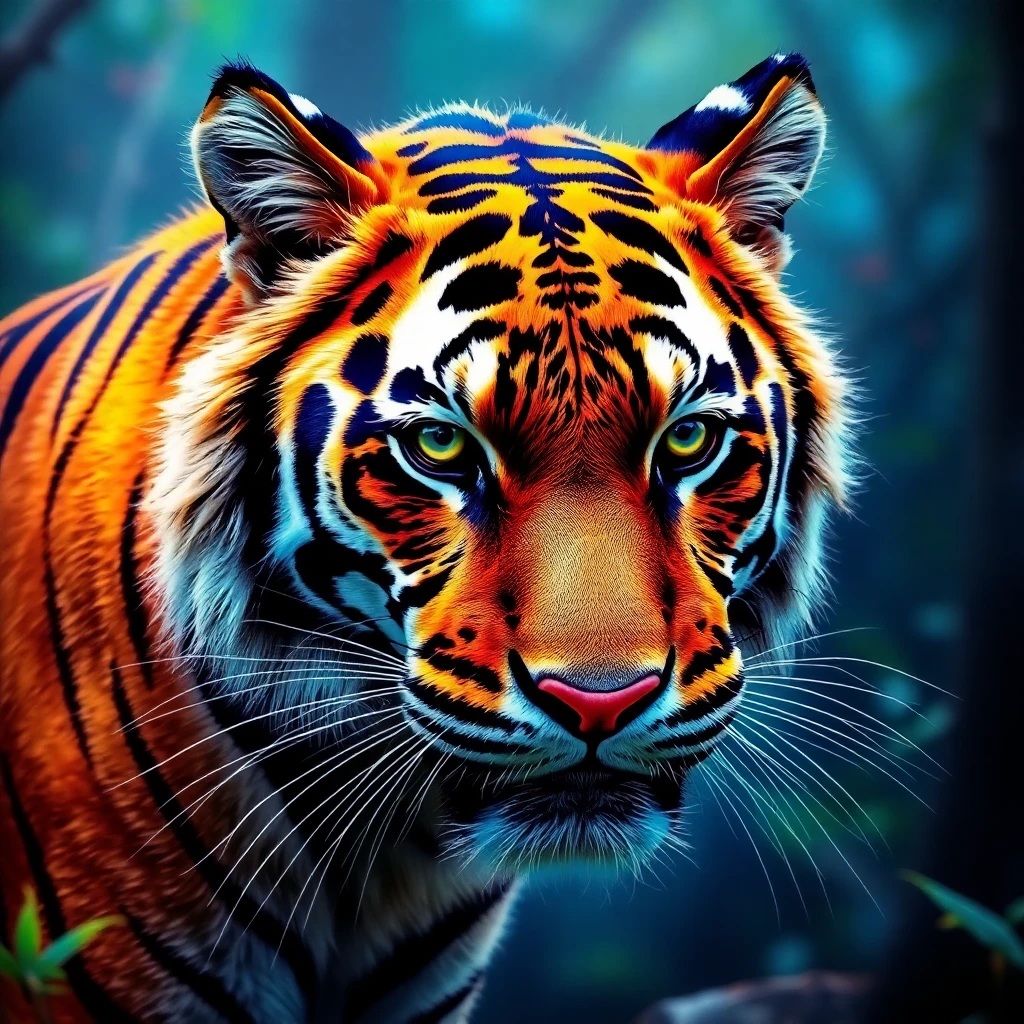
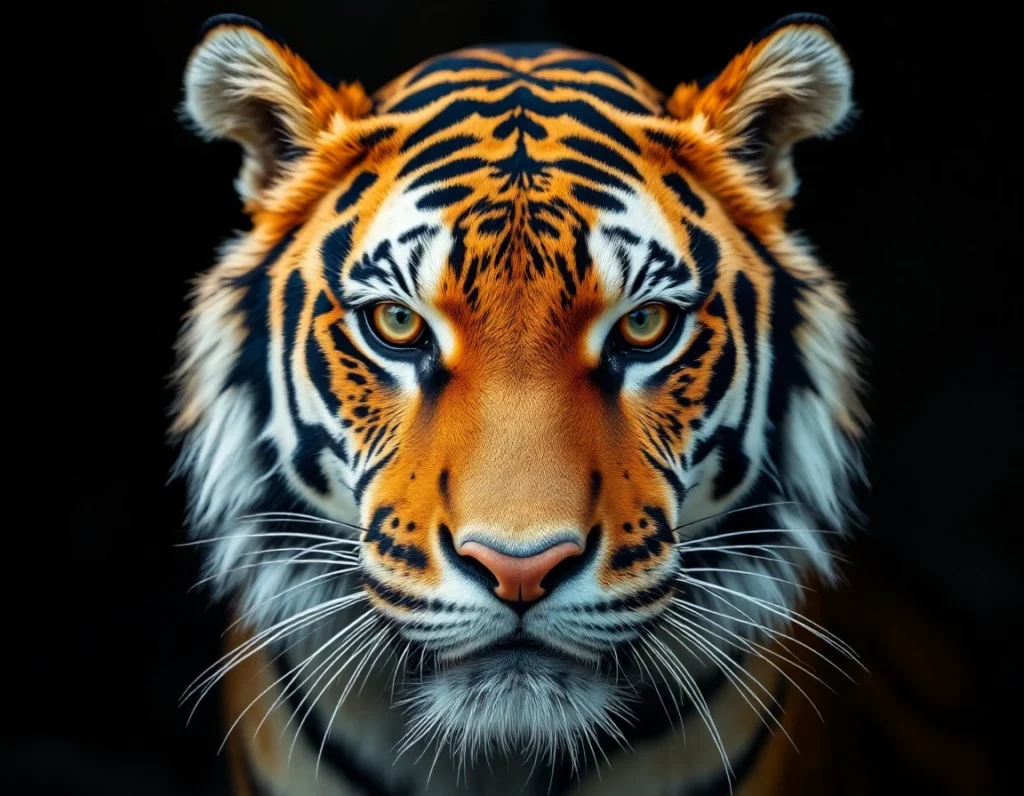
The Bengal Tiger (Panthera tigris tigris) is the most numerous of all tiger subspecies — yet with only 2,500–3,000 remaining in the wild, it teeters on the edge of viability. The largest cat species on Earth, a Bengal tiger male can weigh as much as three adult African lions and project physical power that evolution has honed over 2 million years.
Stealth & the Ambush Predator
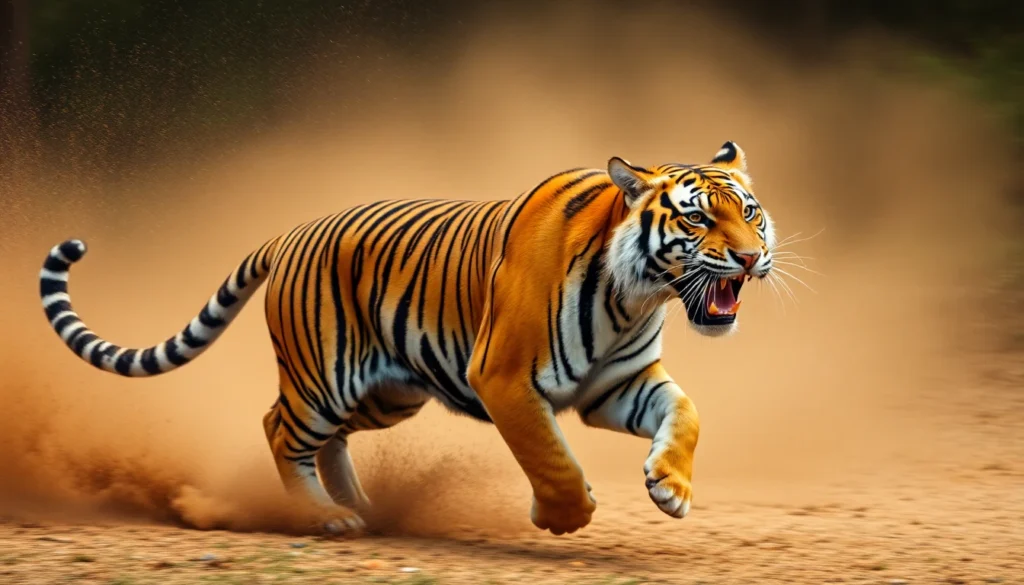
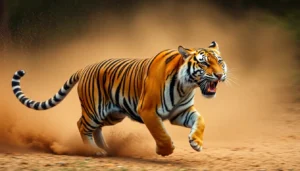
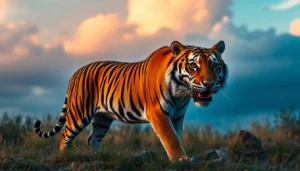
Tigers are pure ambush predators — their entire physiology evolved for silent approach and explosive burst. Their striped coat provides camouflage in dappled forest light so effective that they can approach prey to within 10 metres undetected. Unlike lions, tigers hunt alone, relying on patience over pursuit. A tiger may stalk prey for hours, freezing motionless while waiting for the perfect moment to launch. The killing bite targets the nape of the neck, severing the spinal cord for near-instant death.
Territory & the Scent Map
A Bengal tiger’s territory spans 60–100 km² for females and up to 300 km² for males — vast ranges maintained through an elaborate chemical communication system. Tigers spray scent-marked urine, rake tree bark with their claws, and deposit feces at territory boundaries to create a detailed “scent map” that advertises sex, age, reproductive status, and individual identity. Every passing tiger can read this map like a newspaper.
Advertisement
Swimming Champions
Unlike domestic cats, tigers love water. In the Sundarbans mangrove forests of India and Bangladesh, tigers regularly swim across channels kilometers wide, hunt fish and turtles in tidal pools, and cool off during the brutal monsoon heat. Specific populations in the Sundarbans have adapted a semi-aquatic lifestyle unique among wild cats — a behavioral plasticity that speaks to the tiger’s extraordinary ecological intelligence.
Project Tiger: A Conservation Story
India’s tiger population crashed from 40,000 in 1900 to fewer than 1,800 by 1973, triggering the launch of Project Tiger by Prime Minister Indira Gandhi. Through expanded reserves, anti-poaching enforcement, and habitat corridors, India’s tiger population has recovered to approximately 3,000 — the only significant tiger population increase globally. Yet outside India, tigers continue to decline as forest habitat is converted to palm oil plantations and agricultural land.
Advertisement
⚡ Speed Comparison
📸 Photo Gallery
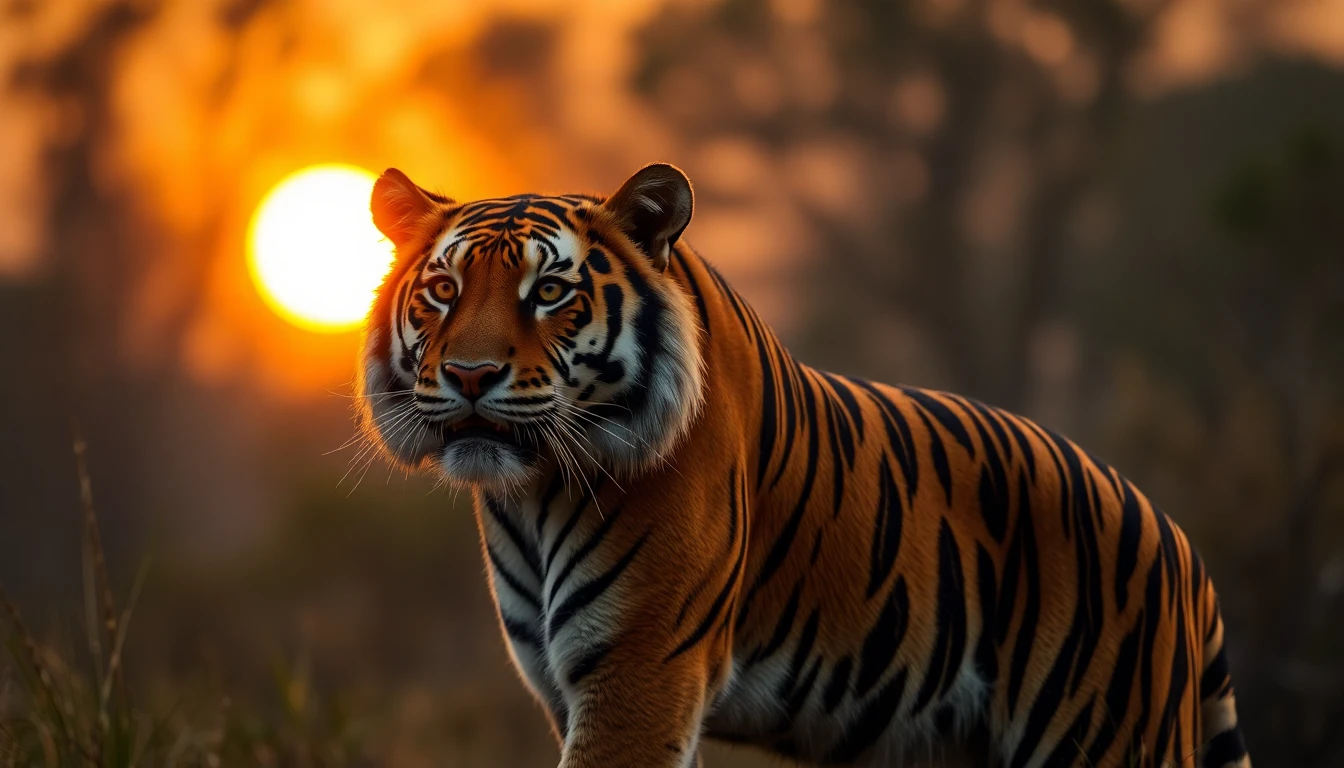
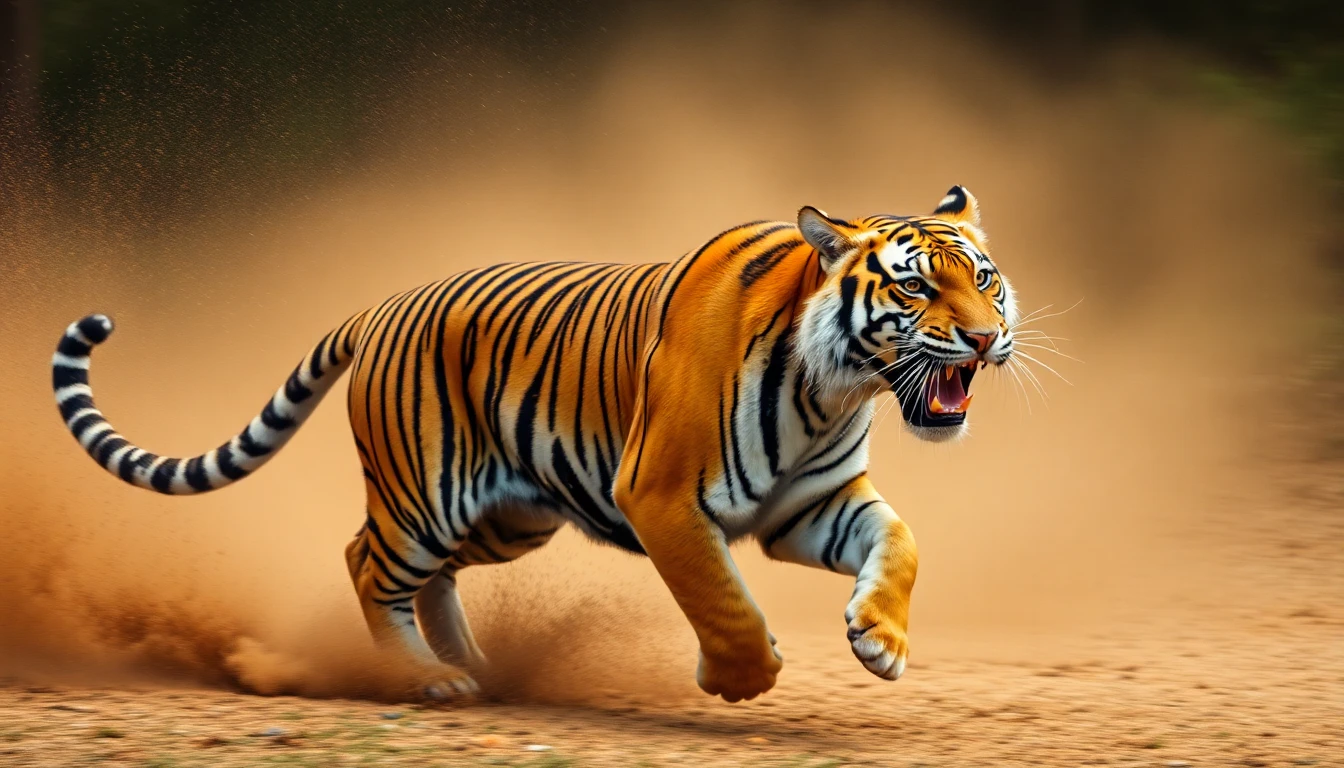
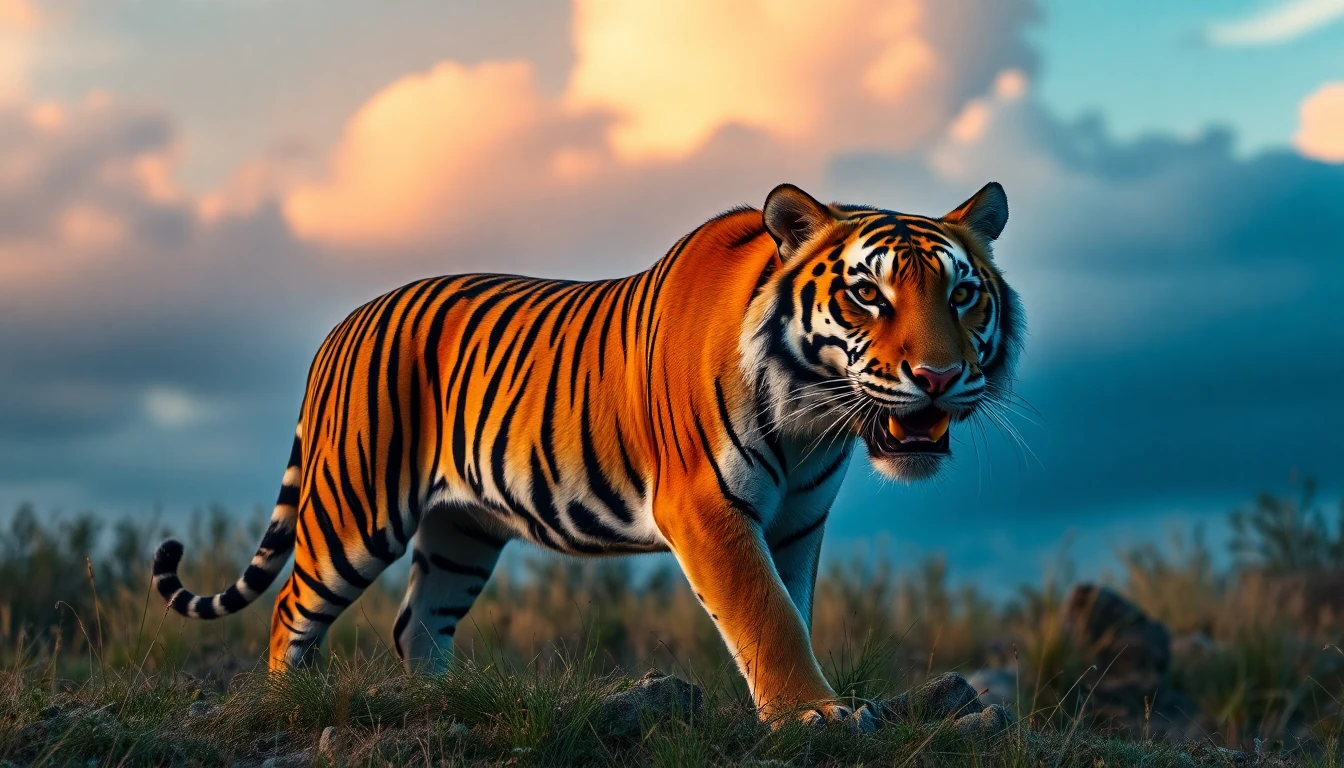
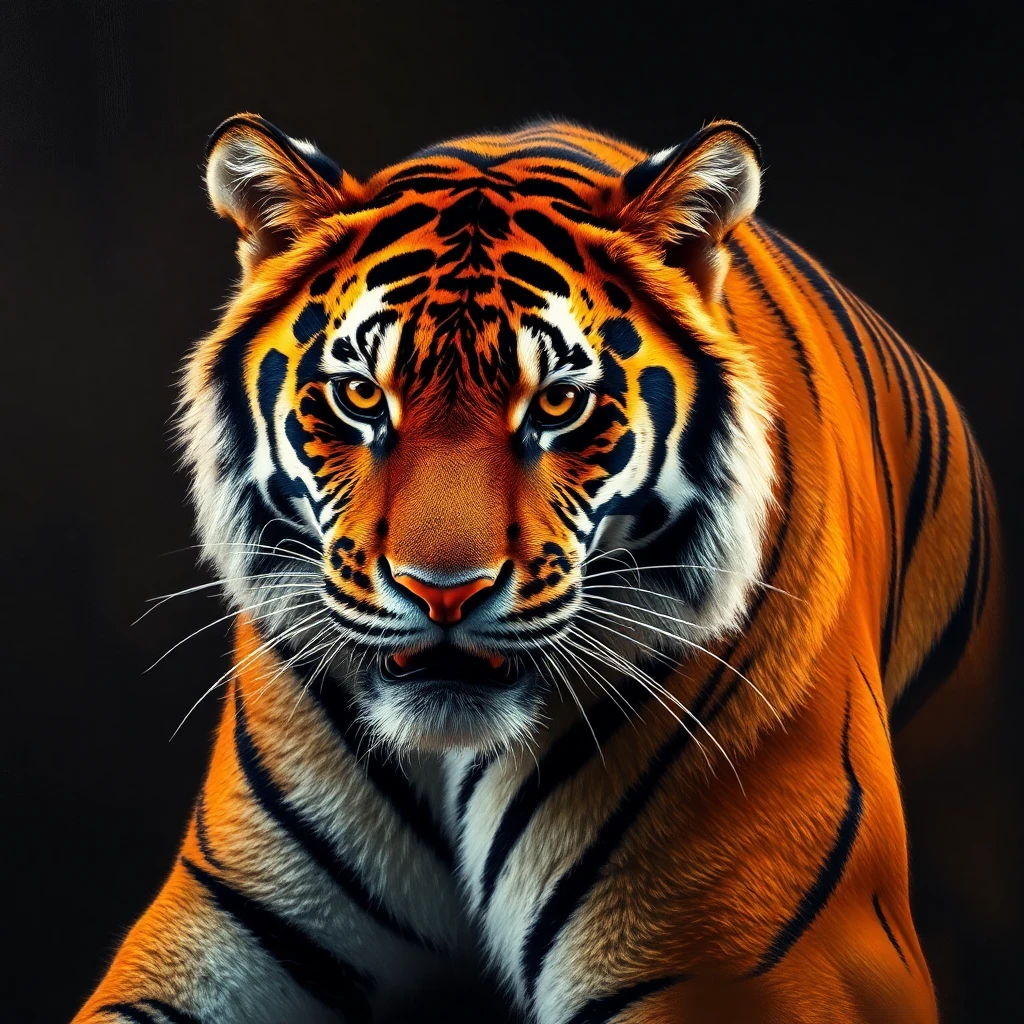
💡 Fun Facts
Tigers are solitary animals — a male's territory can span 100+ km².
The global wild tiger population has increased by 40% since 2010 thanks to conservation efforts.
A tiger's tongue is covered with sharp-tipped papillae that can strip flesh from bone.
Tigers communicate with chuffing (a soft exhalation) — a friendly greeting between tigers.
The Amur (Siberian) tiger is the largest tiger subspecies, weighing up to 300 kg.
India is home to 75% of the world's wild tigers — Project Tiger has been critical to their survival.
📍 Where to Find This Animal
Geographic Range: South and Southeast Asia, Russian Far East
🛒 Bengal Tiger Related Gear
As an Amazon Associate we earn from qualifying purchases.
Join the Conversation
Share your thoughts about the Bengal Tiger