The Fastest Land Animal on Earth
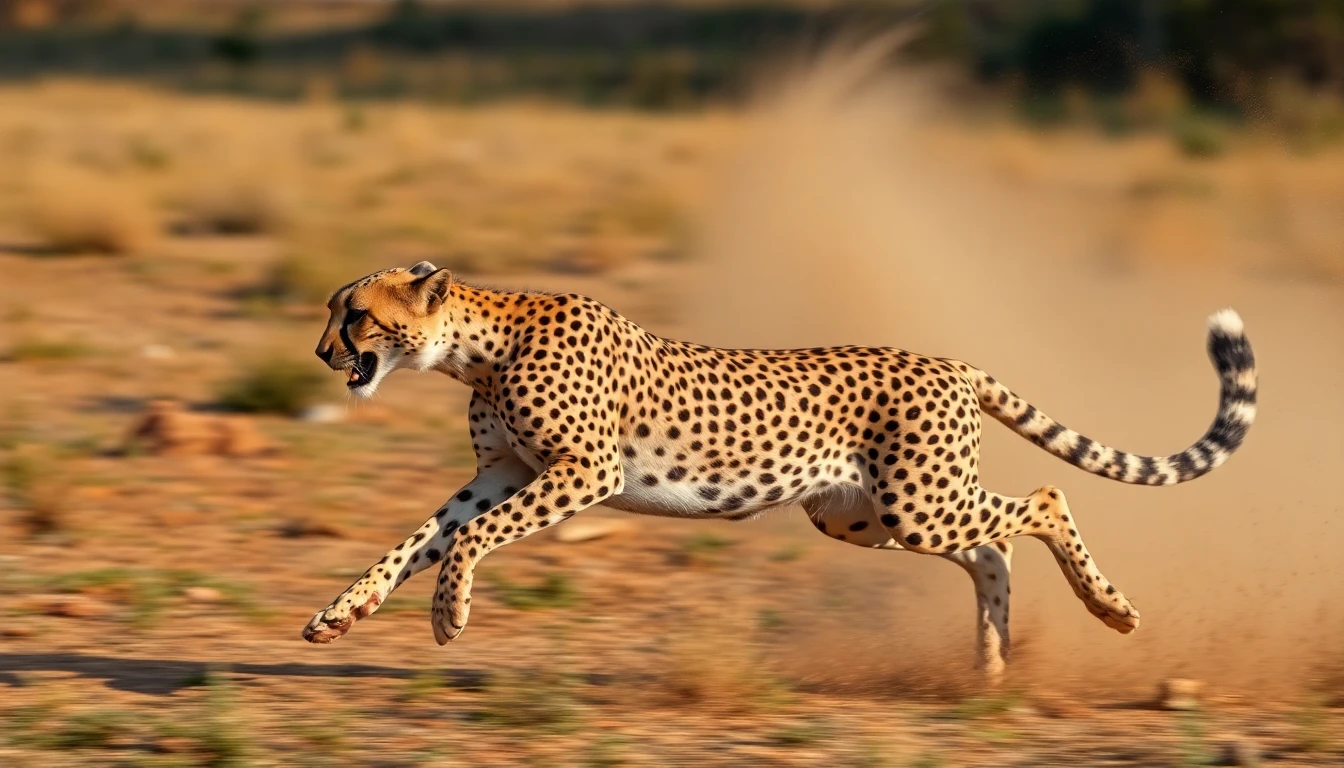
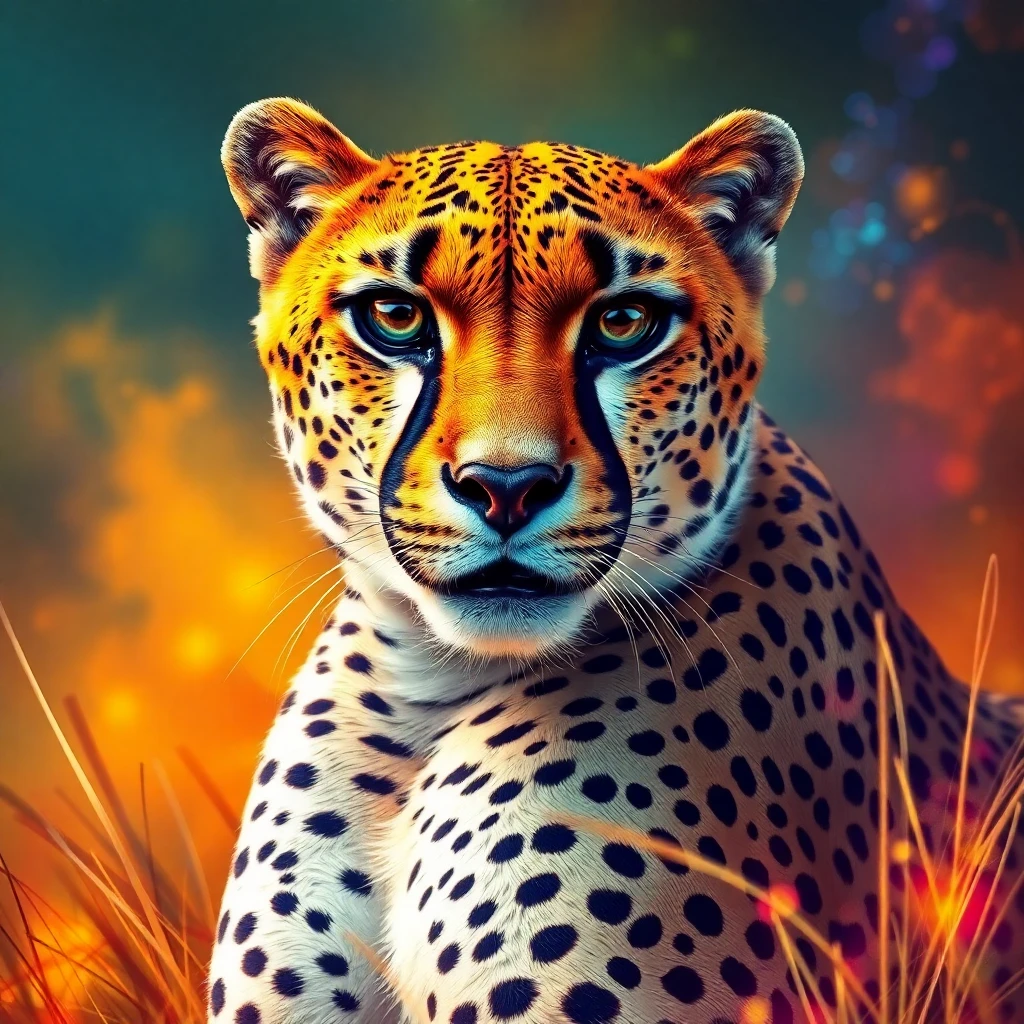
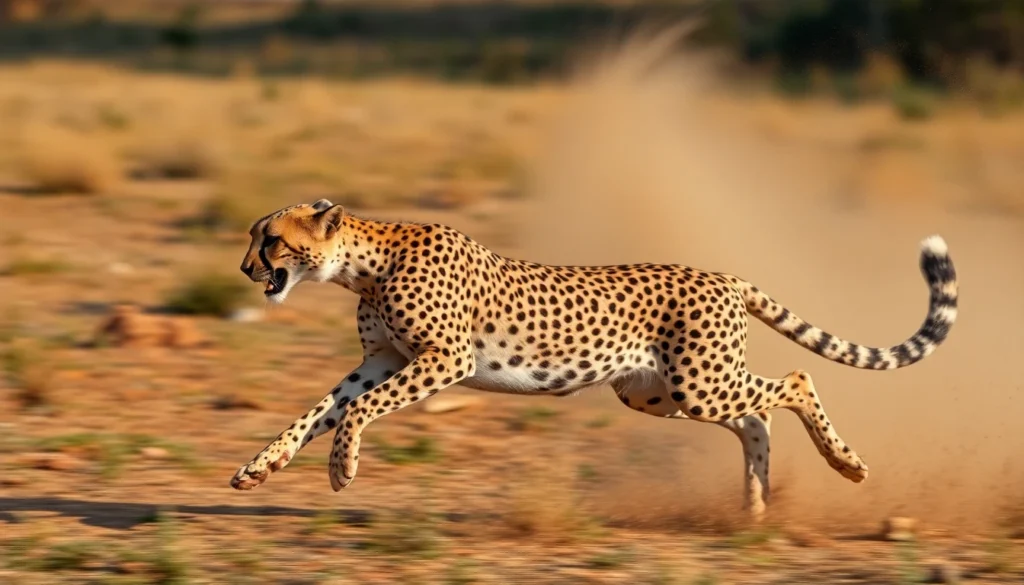
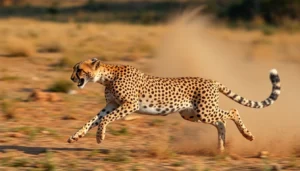
The Cheetah (Acinonyx jubatus) achieves speeds of 112 km/h (70 mph) — making it the fastest land animal on the planet. But speed alone understates the engineering marvel: a cheetah can accelerate from 0 to 97 km/h in just 3 seconds, faster than most sports cars. During a sprint, a cheetah’s stride covers 7–8 metres, its claws provide traction like track spikes, and its semi-rigid spine flexes like a coiled spring, adding 76 cm to each stride.
The Price of Speed
Evolution’s bargain for extreme speed exacts a brutal cost. Cheetahs are the most vulnerable of the big cats — their lightweight frame (built for aerodynamics, not combat) means they lose up to 50% of kills to lions, hyenas, and leopards. They cannot roar; their semi-retractable claws — an adaptation for traction — cannot retract fully, depriving them of the sharp climbing tools that other cats possess. Heat generated during a sprint (body temperature rises to 40.5°C) forces a 15-minute recovery before they can eat — during which competitors may steal the kill.
Genetics: The Bottleneck Crisis
All surviving cheetahs are genetically near-identical — a consequence of a severe population bottleneck 10,000 years ago, possibly caused by climate change at the end of the last ice age. The genetic uniformity (cheetahs can accept skin grafts from unrelated individuals without rejection) creates catastrophic vulnerability: a single pathogen could potentially devastate the entire species simultaneously. Cubs from unrelated parents are as genetically similar as human identical twins.
Advertisement
Communication: Chirps, Purrs, and Churrs
Cheetahs communicate through an extraordinary vocal repertoire for a big cat. They purr like domestic cats, chirp like birds when excited, “churr” in a stuttering vocalization during social interactions, and produce a unique “stutter-bark” used as a contact call. Mothers use distinct chirps to communicate with cubs, and sibling groups of adult males (called “coalitions”) maintain bonds through constant churring. Unlike lions, cheetahs cannot roar — their hyoid bone is rigid, preventing the deep vocalization.
Conservation Emergency
Fewer than 7,000 cheetahs remain in the wild — a 90% decline from 100,000 a century ago. Outside Africa, a tiny population of approximately 40 Asiatic cheetahs survives in Iran, making it one of the world’s rarest mammals. The exotic pet trade (primarily driven by Gulf state demand) intercepts an estimated 1,000 cubs annually, with 70% dying before reaching buyers. Each cub sold represents the removal of an adult female who could have produced 3–4 litters over her lifetime.
Advertisement
⚡ Speed Comparison
📸 Photo Gallery
💡 Fun Facts
0 to 97 km/h in 3 seconds — faster than a Ferrari
Cheetahs chirp and purr like domestic cats — they cannot roar
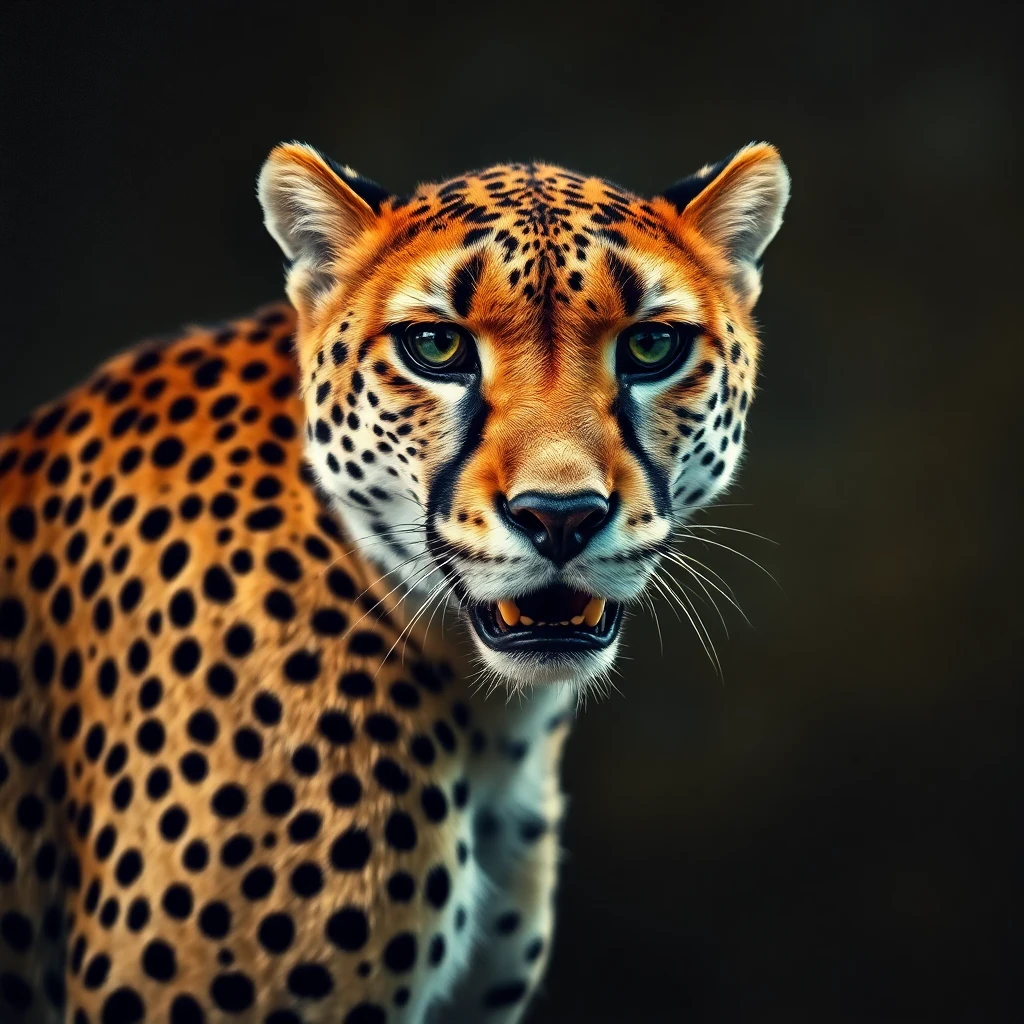
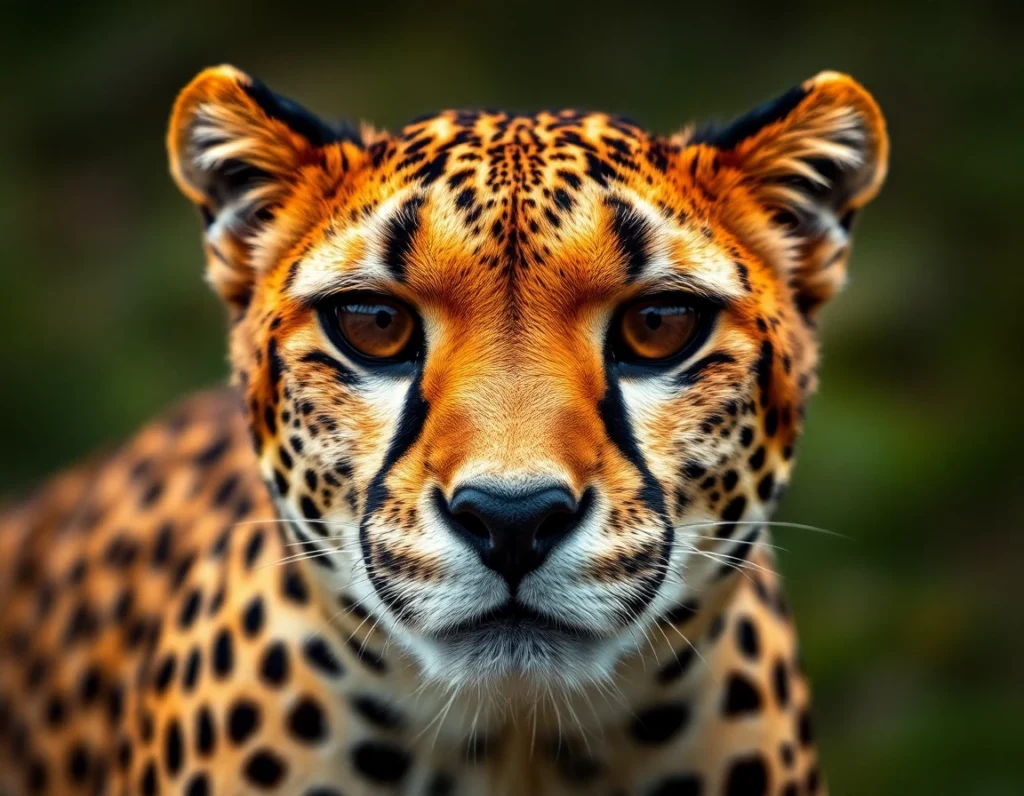
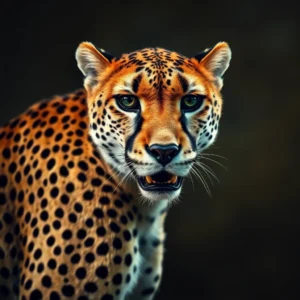
Black "tear marks" reduce sun glare during daytime hunts
Lose up to 50% of kills to larger predators
All cheetahs are genetically near-identical due to a bottleneck 10,000 years ago
📍 Where to Find This Animal
🛒 Cheetah Related Gear
As an Amazon Associate we earn from qualifying purchases.
Join the Conversation
Share your thoughts about the Cheetah