The King of the Savanna
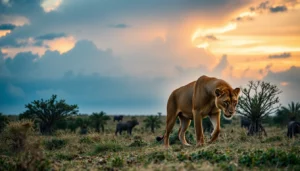
The African Lion (Panthera leo) stands as the most iconic predator on Earth — a symbol of raw power, social intelligence, and untamed wilderness. The only truly social big cat, lions live in groups called prides of up to 30 individuals, a structure that gives them unrivalled hunting efficiency on the African savanna.
Hunting Strategy: Nature’s Cooperative Army
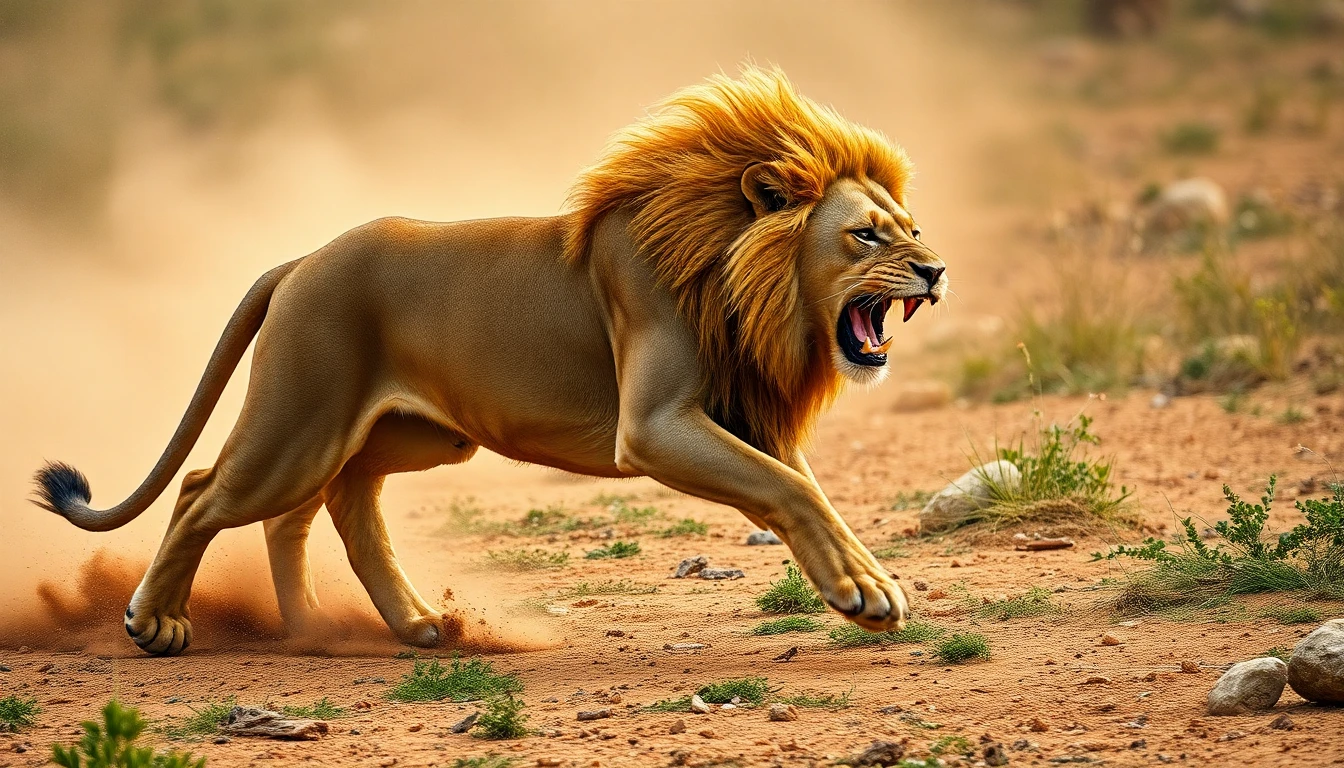
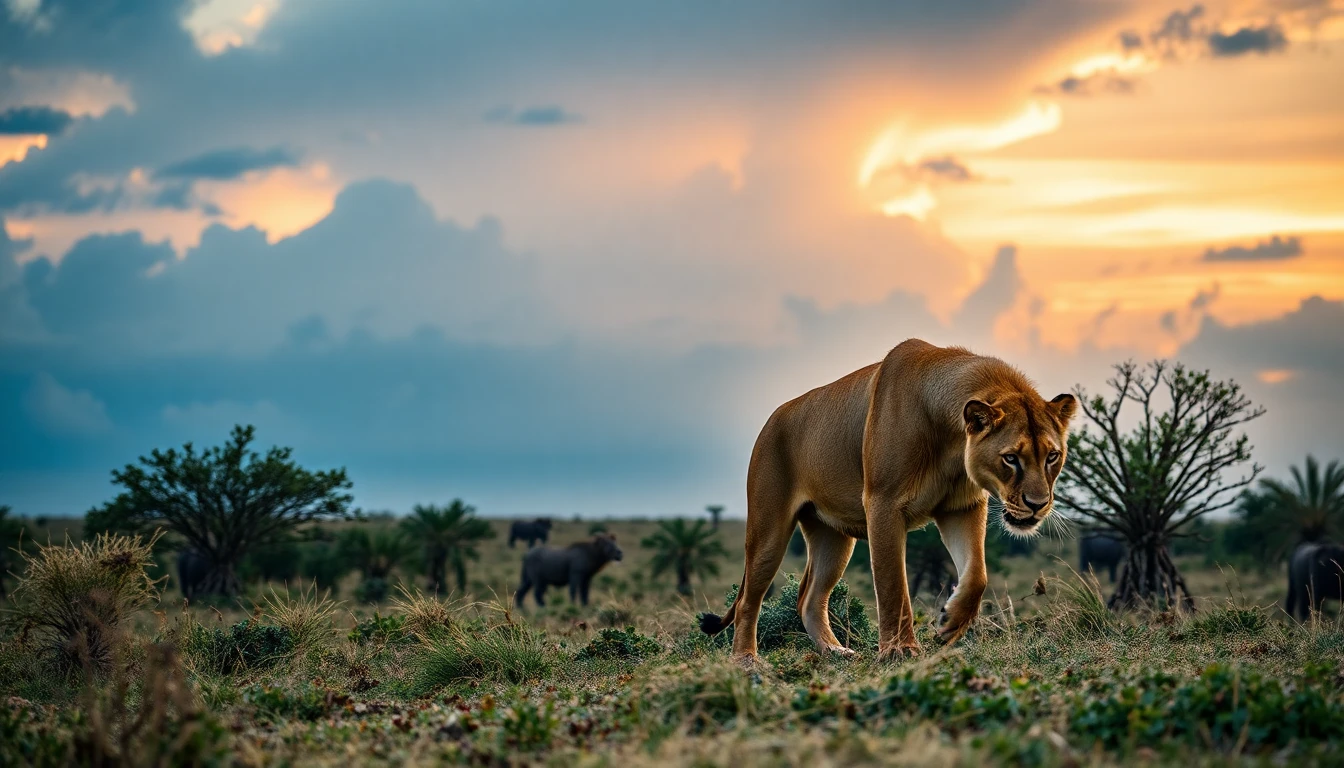
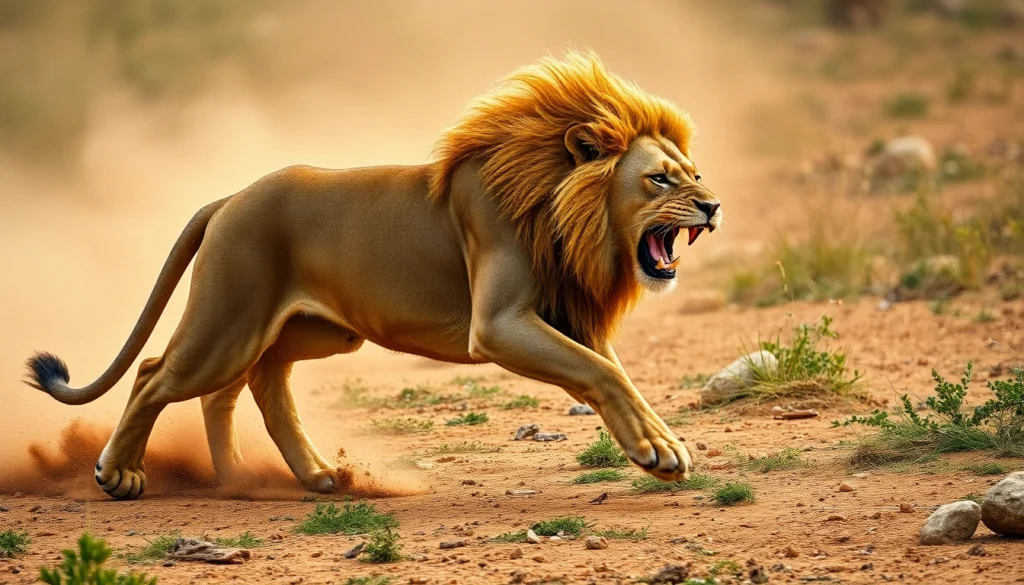
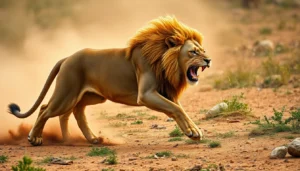
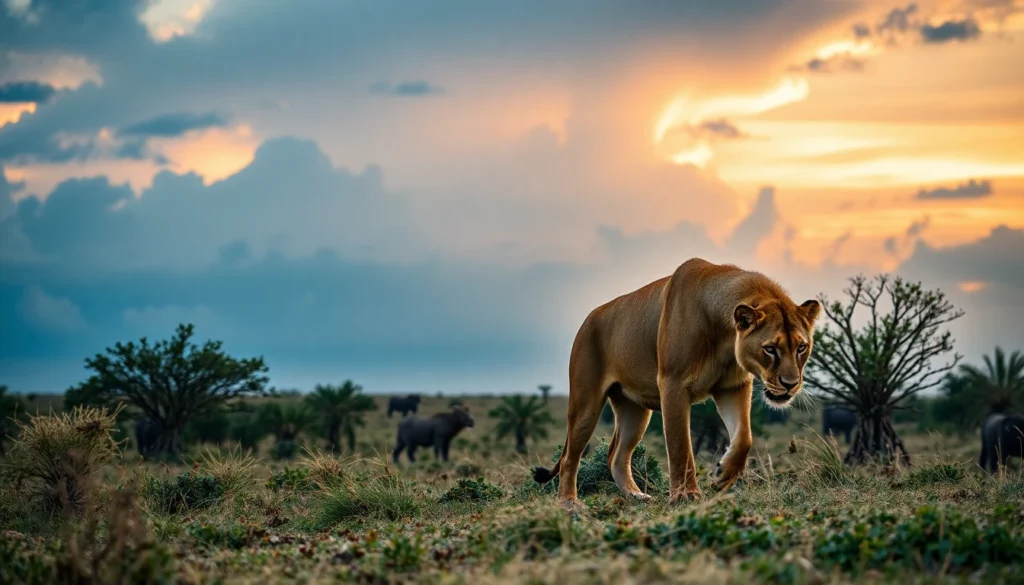
Female lions are the primary hunters, deploying sophisticated team tactics that rival military strategy. A coordinated pride hunt sees lions fan out in a semicircle — flankers drive prey toward the center while a “stopper” waits in ambush. Success rate climbs from 17% for solo hunts to 41% for group hunts of buffalo. Their night vision is 8x more sensitive than human eyes, and a lion can hear prey from 1.6 km away.
The Mane — Nature’s Status Signal
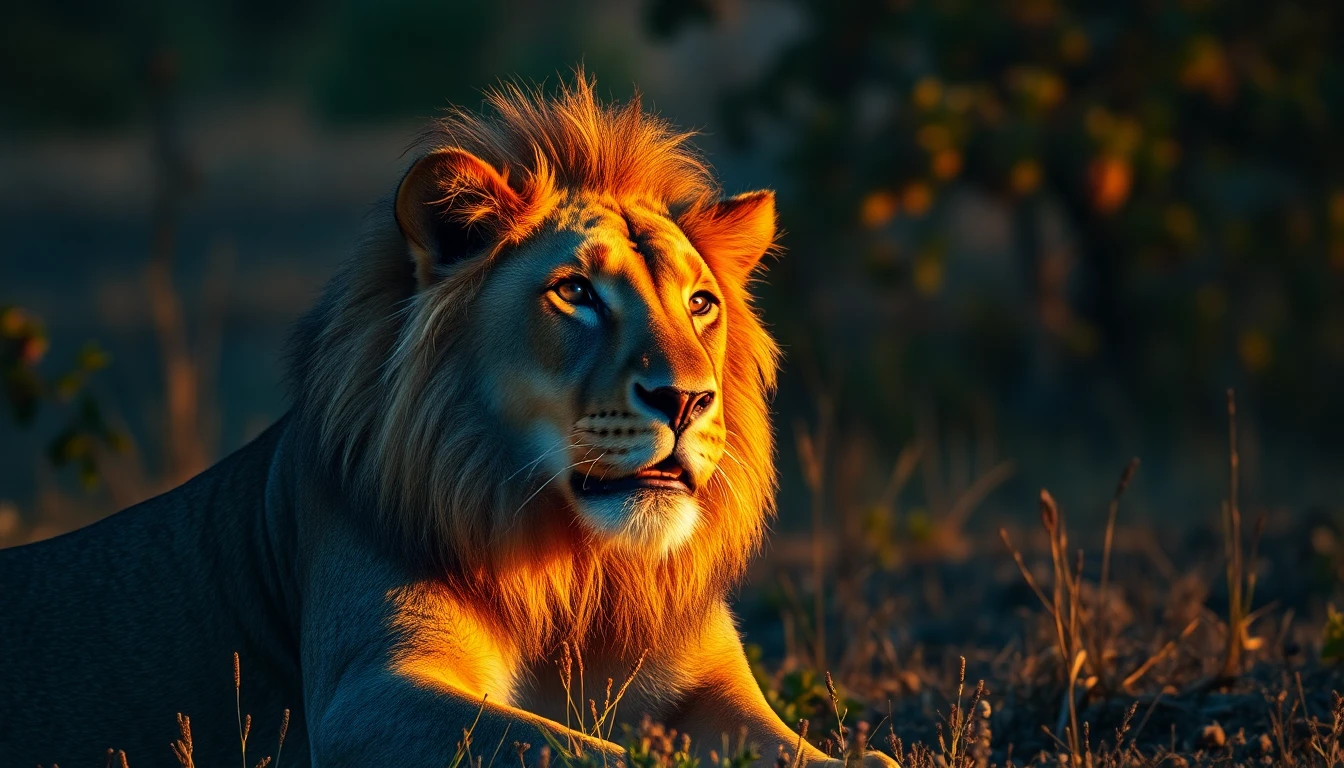
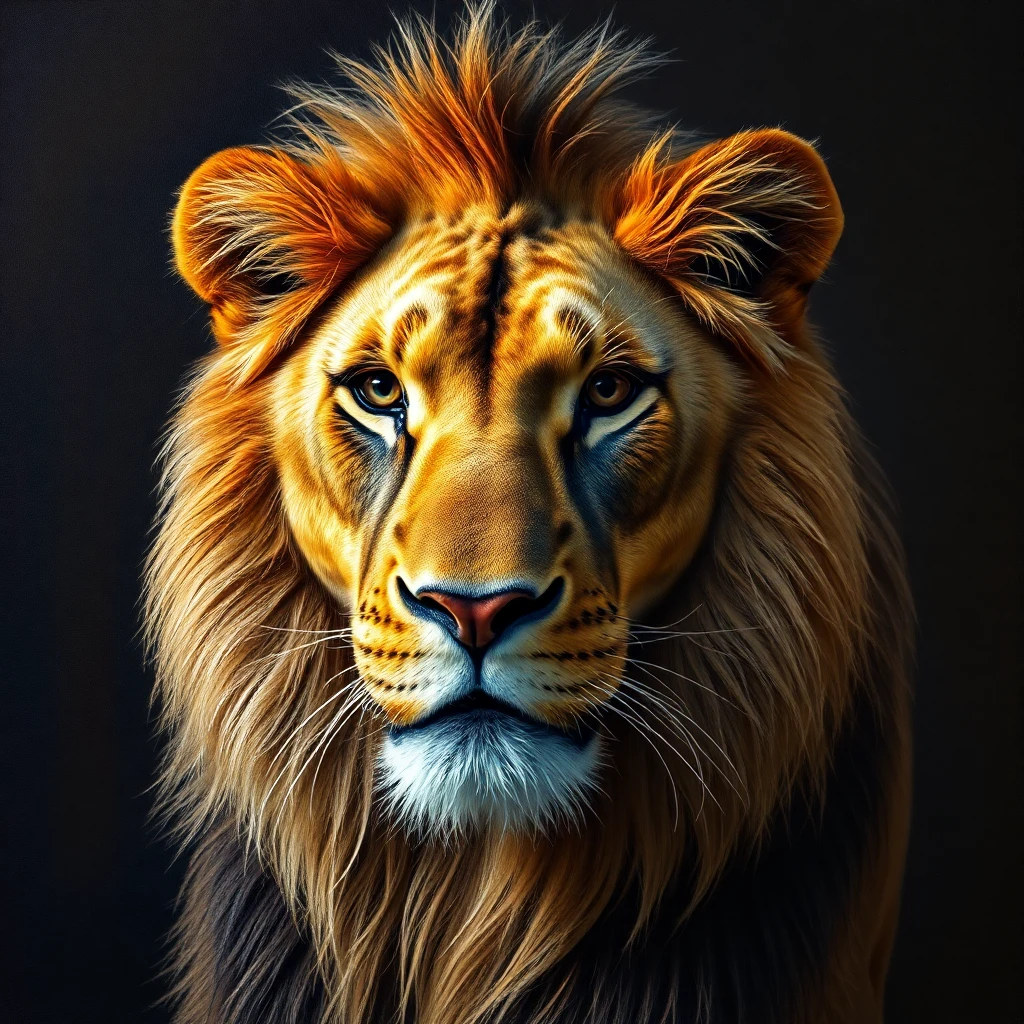
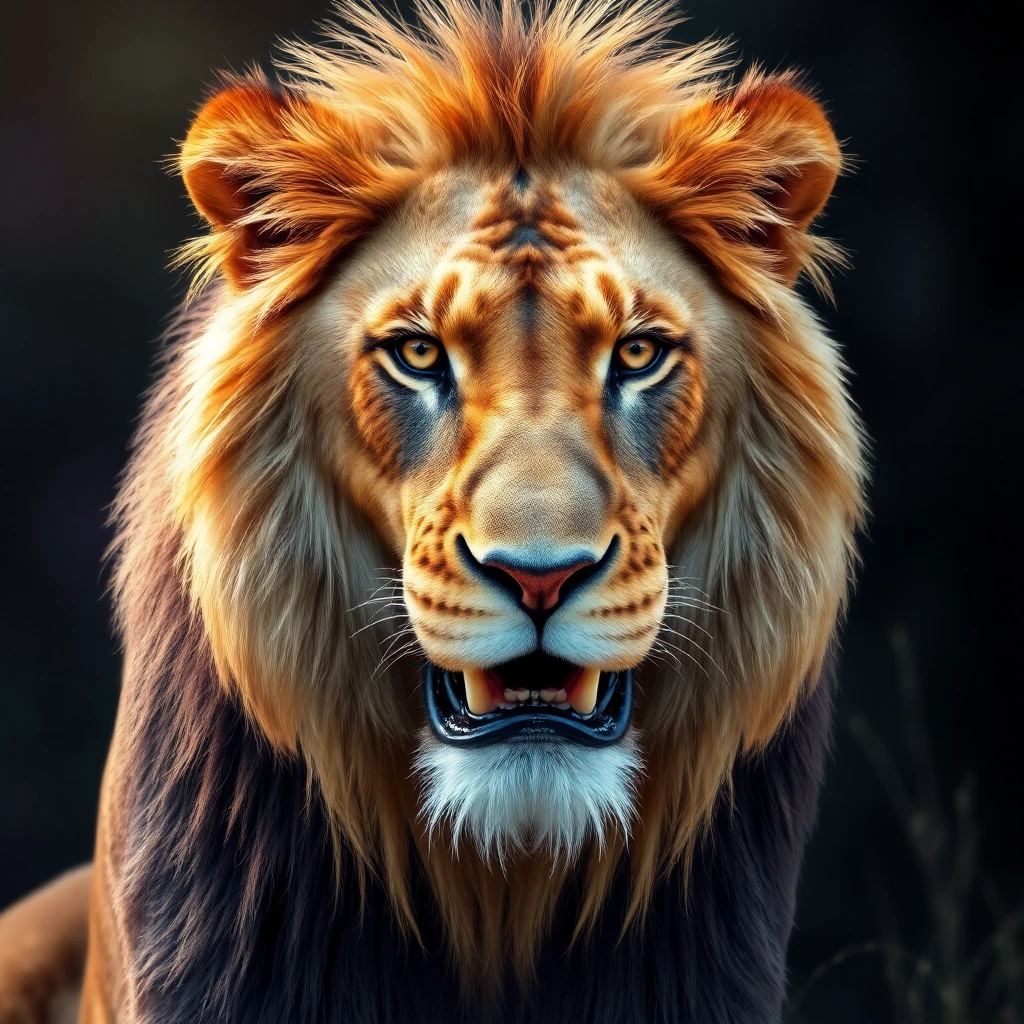
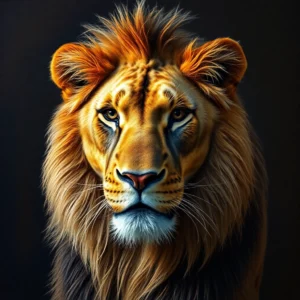
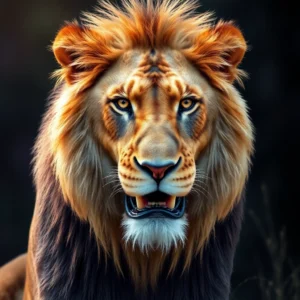
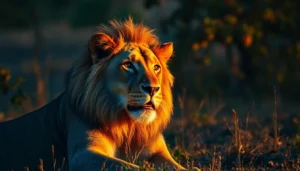
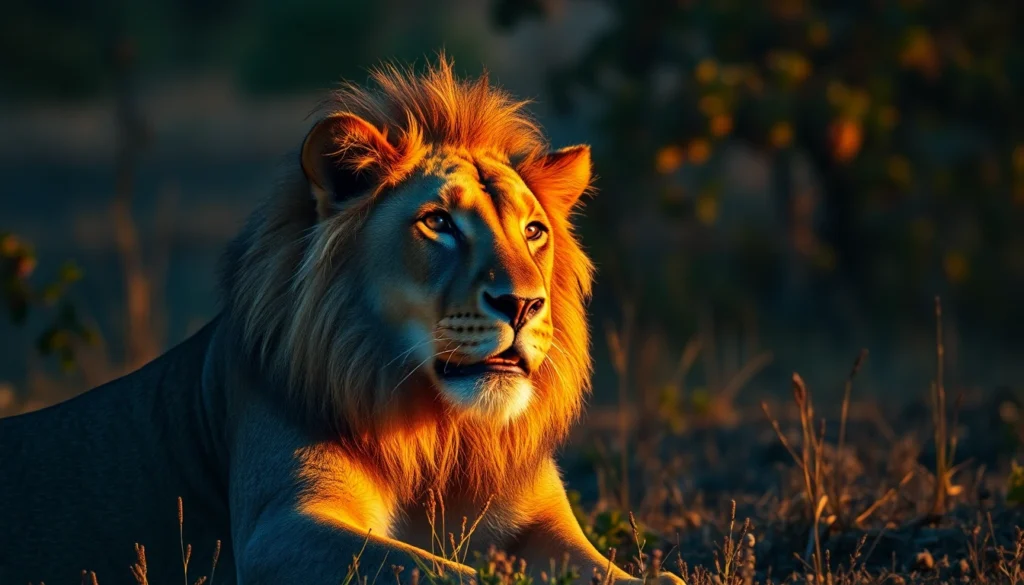
A male lion’s mane is a direct advertisement of genetic fitness. Darker, fuller manes signal higher testosterone, better health, and superior fighting ability. Research from the Serengeti shows that mane darkness correlates directly with reproductive success — females prefer darker-maned males at statistically significant rates. A thick mane also protects the neck during fights with rival males.
Advertisement
Social Life: Pride Politics
Lions operate in a complex social hierarchy. A resident coalition of 2–4 males holds a pride for an average of just 2–3 years before being ousted by a new coalition. When new males take over, they kill all existing cubs to bring females into estrus — one of nature’s most brutal realities. Females within a pride often synchronize births and communally raise cubs, nursing each other’s young.
Roar: The Sound of Power
A lion’s roar can reach 114 decibels — comparable to a thunderclap — and travel 8 kilometres across open savanna. The unique “sawing” roar sequence (a series of long moans followed by short grunts) is used to announce territory, locate pride members, and intimidate rivals. No two lions have identical roars; individuals can identify each other by sound alone.
Conservation: A Species Under Pressure
Lion populations have declined by 43% over the past 21 years — a catastrophic collapse from an estimated 200,000 in the 1970s to under 25,000 today. Primary threats include habitat loss as agriculture expands, human-wildlife conflict as lions prey on livestock, and trophy hunting. Critical strongholds remain in Tanzania’s Serengeti, Kenya’s Masai Mara, Botswana’s Okavango Delta, and South Africa’s Kruger National Park.
Advertisement
Fascinating Facts
- Lions sleep up to 20 hours per day to conserve energy in the heat
- A lion’s roar can be heard from 8 km away — roughly 5 miles
- The Barbary lion of North Africa (now extinct in the wild) was the largest subspecies, used in Roman gladiatorial arenas
- Lions are the only cats with tufted tails — the dark tuft conceals a spine used for signalling
- Asiatic lions survive in one forest: the Gir Forest of Gujarat, India — only ~600 remain
Join the Conversation
Share your thoughts about the African Lion