The Ghost of the Mountains
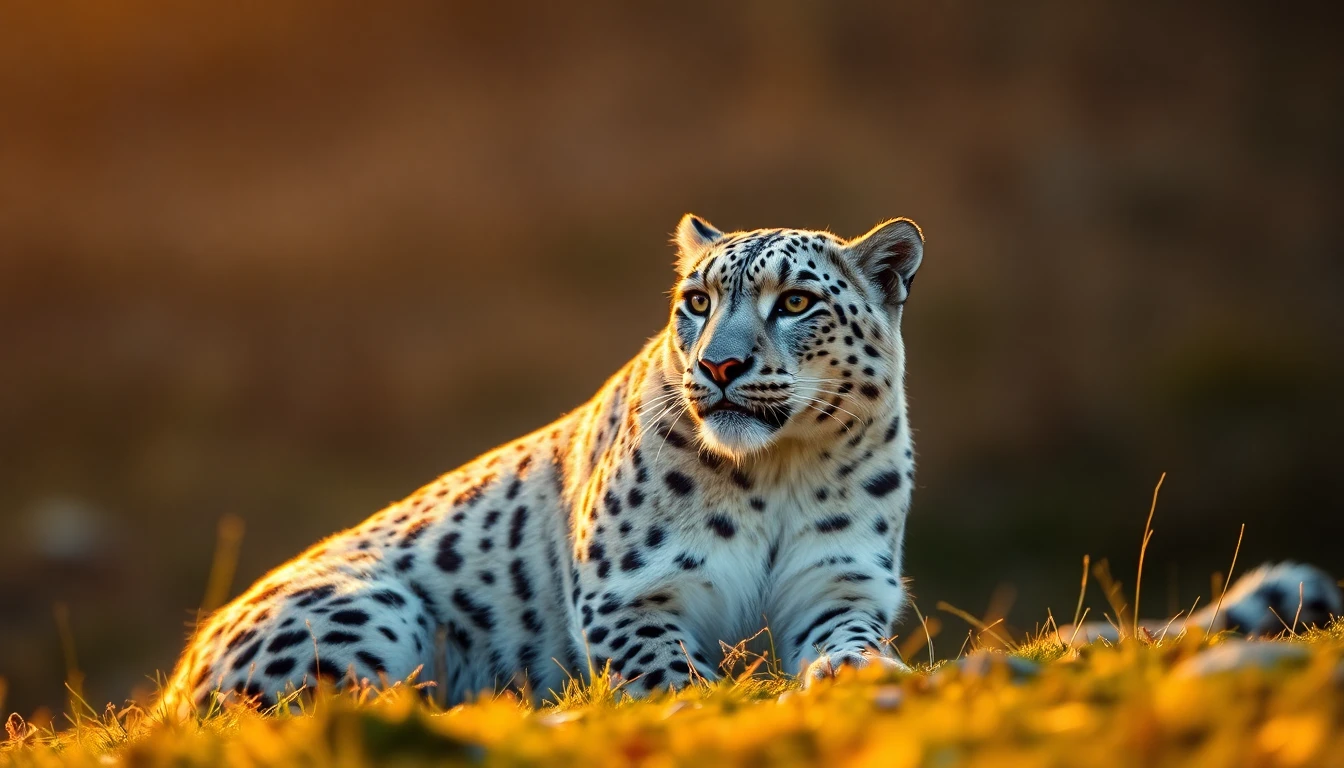
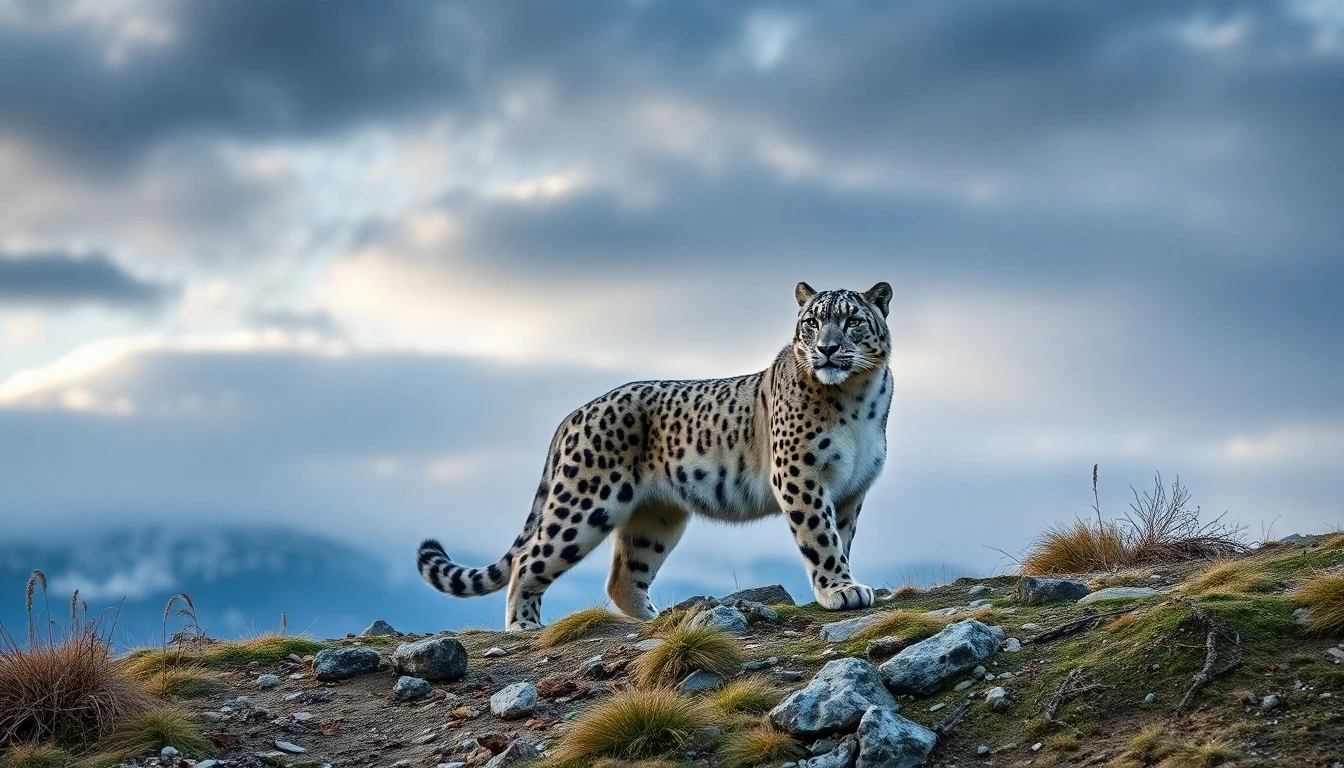
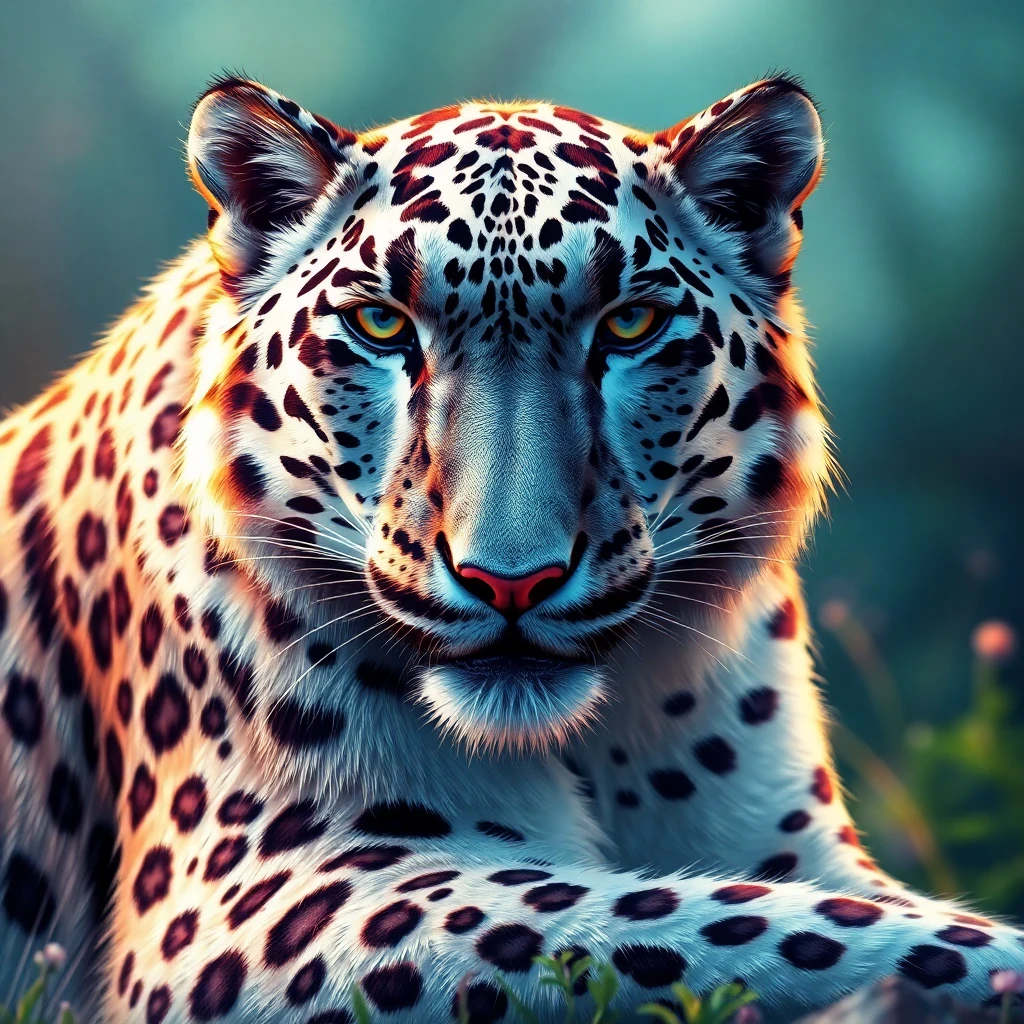
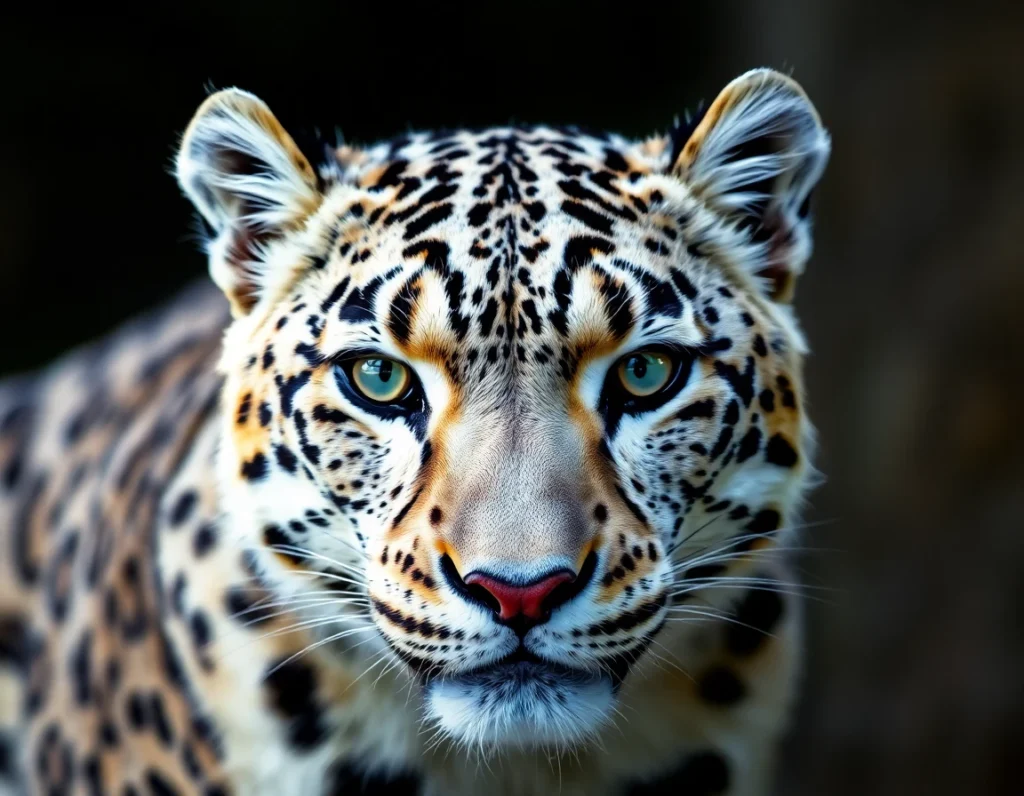
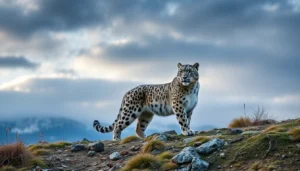
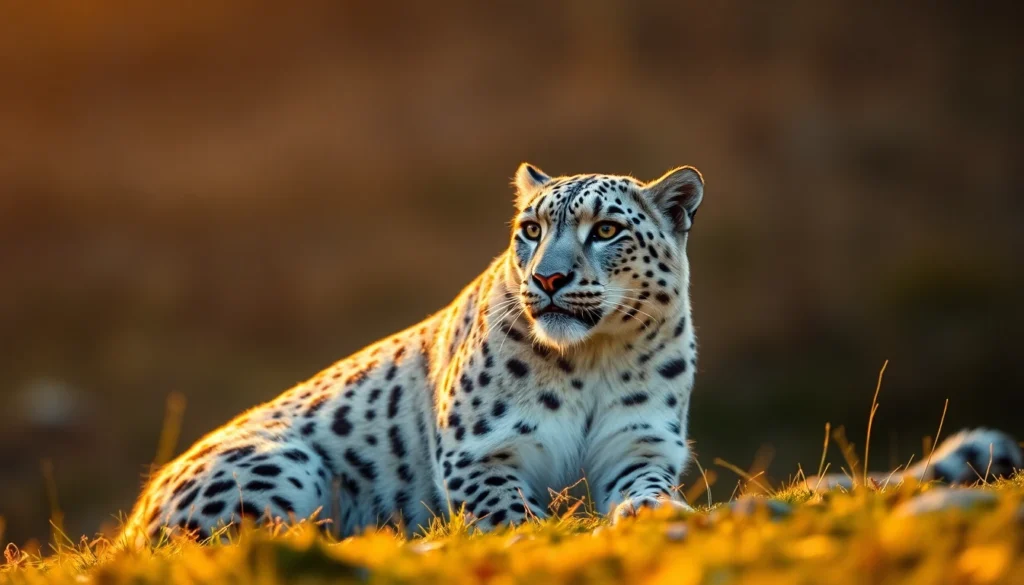
The Snow Leopard (Panthera uncia) is one of the most elusive and least-studied of the big cats — a creature so perfectly adapted to its high-altitude habitat and so rarely glimpsed by humans that Central Asian cultures call it the “ghost of the mountains.” Inhabiting the rugged ranges of Central Asia at altitudes between 3,000–5,500 metres above sea level, snow leopards exist at the intersection of extreme cold, steep terrain, and spectacular isolation.
Built for the High Mountains
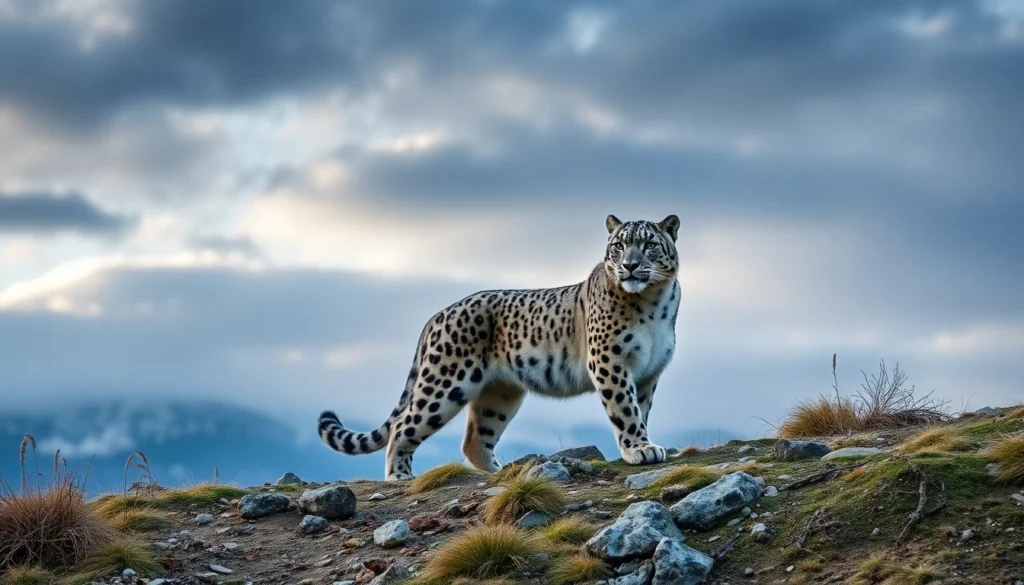
Every anatomical feature of the snow leopard reflects adaptation to high-altitude mountain life. Their enlarged nasal cavities warm cold mountain air before it reaches the lungs. Their wide, fur-covered paws act as natural snowshoes, distributing weight across deep snow. Their exceptionally long, thick tail — nearly equal in length to their body — provides balance on rocky terrain and wraps around the face as a scarf in sub-zero temperatures. At 3–4.5 kg, their heart and lungs are proportionally larger than other big cats, compensating for the reduced oxygen density at extreme altitude.
The World’s Most Powerful Jumper
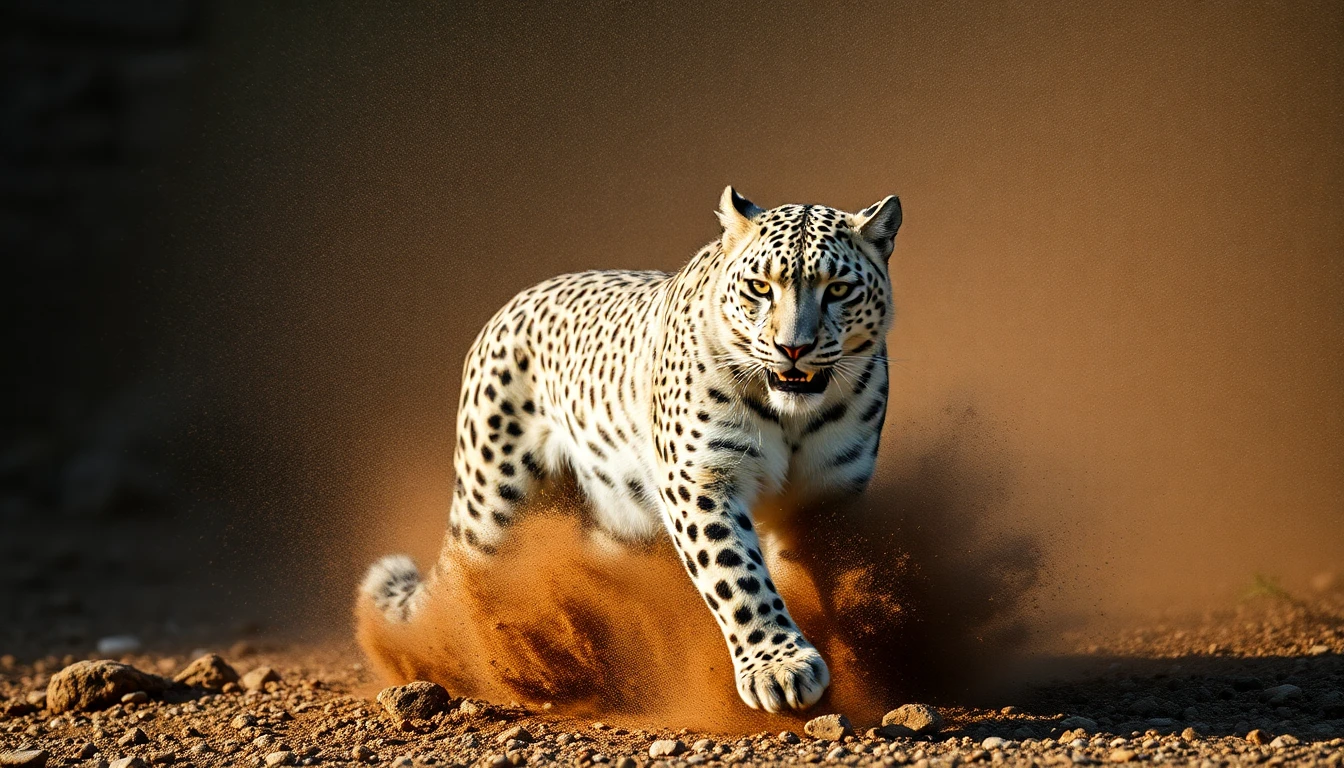
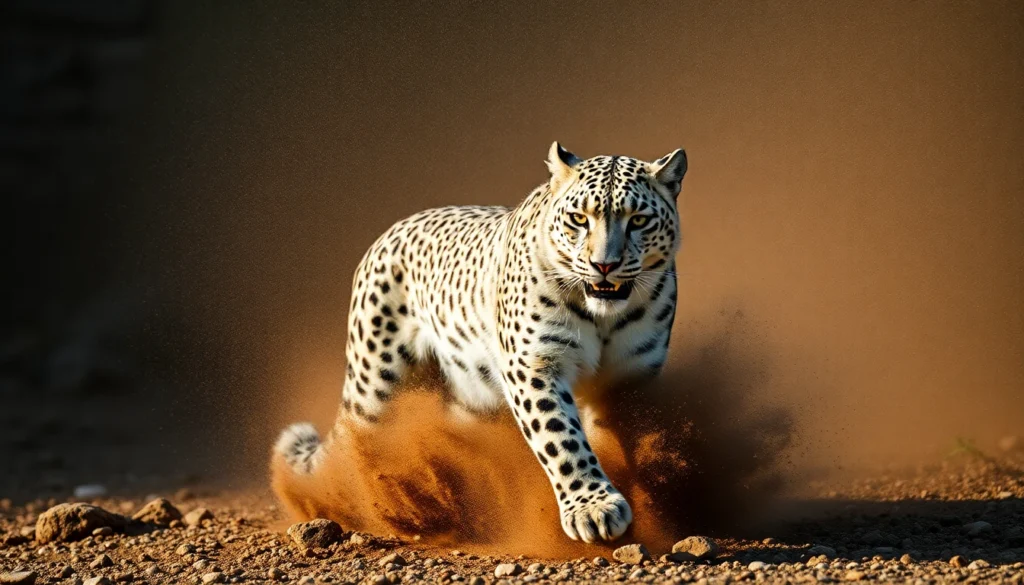
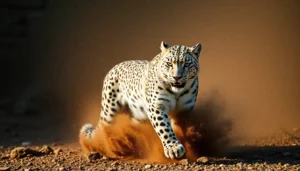
Snow leopards are the most powerful jumpers relative to body size of any large cat. They can leap 9 metres horizontally and 3 metres vertically from a standing start — using their long hind legs to launch from cliff edges and rocky outcrops while hunting. Their hunting strategy combines patient stalking with explosive ambush from above: they target the neck and throat in a killing bite, then may drag prey three times their own weight up vertical rock faces to cache it from competitors.
Advertisement
Conservation: Counting the Uncountable
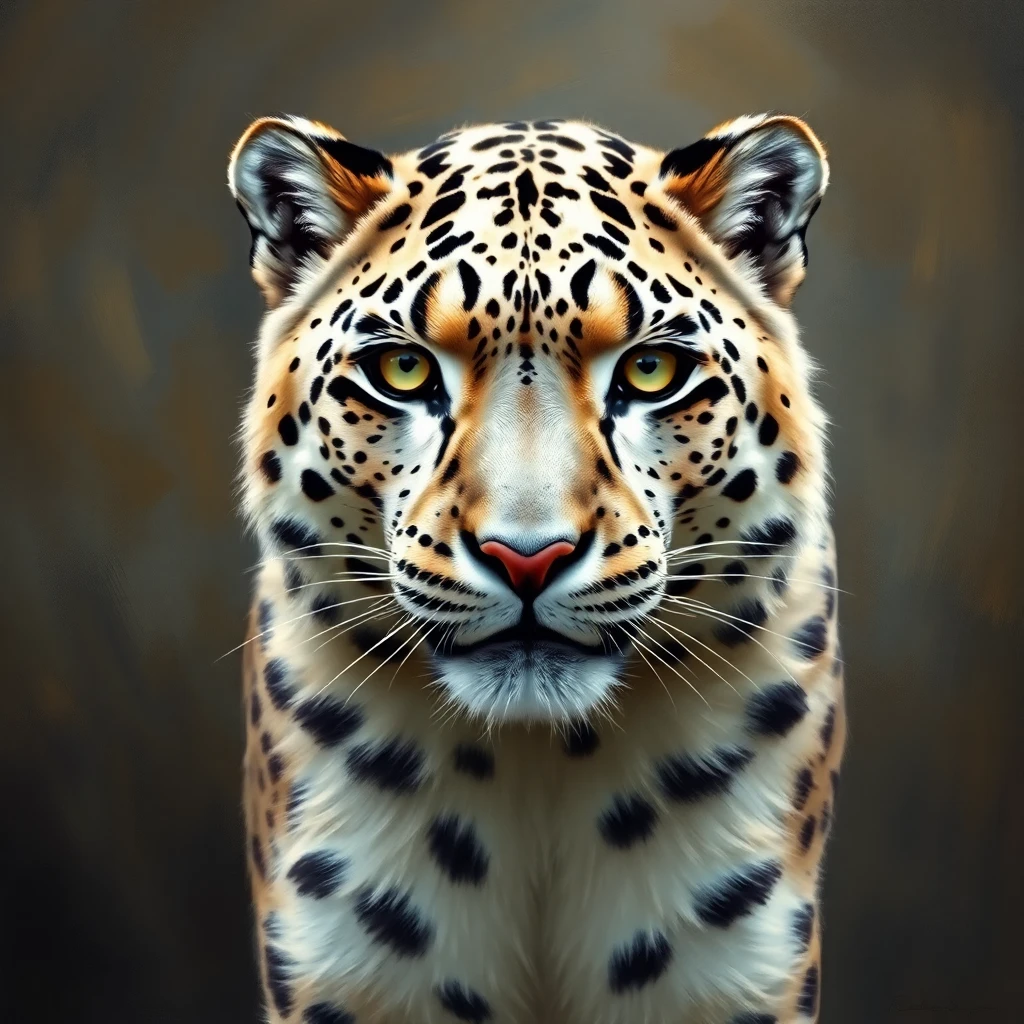
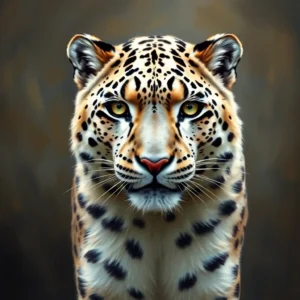
The global snow leopard population is estimated at 4,000–6,500 individuals, but the extraordinary difficulty of surveying their remote habitat means this figure is highly uncertain. Camera trap studies have revolutionized census methodology, allowing scientists to identify individuals by their unique rosette patterns. Primary threats include retaliatory killing by herders (snow leopards do kill livestock when prey is scarce), poaching for pelts and bones used in traditional medicine, and climate change-driven upslope migration of both prey species and human settlements into previously uninhabited high-altitude zones.
Join the Conversation
Share your thoughts about the Snow Leopard