The Largest Animal That Has Ever Existed
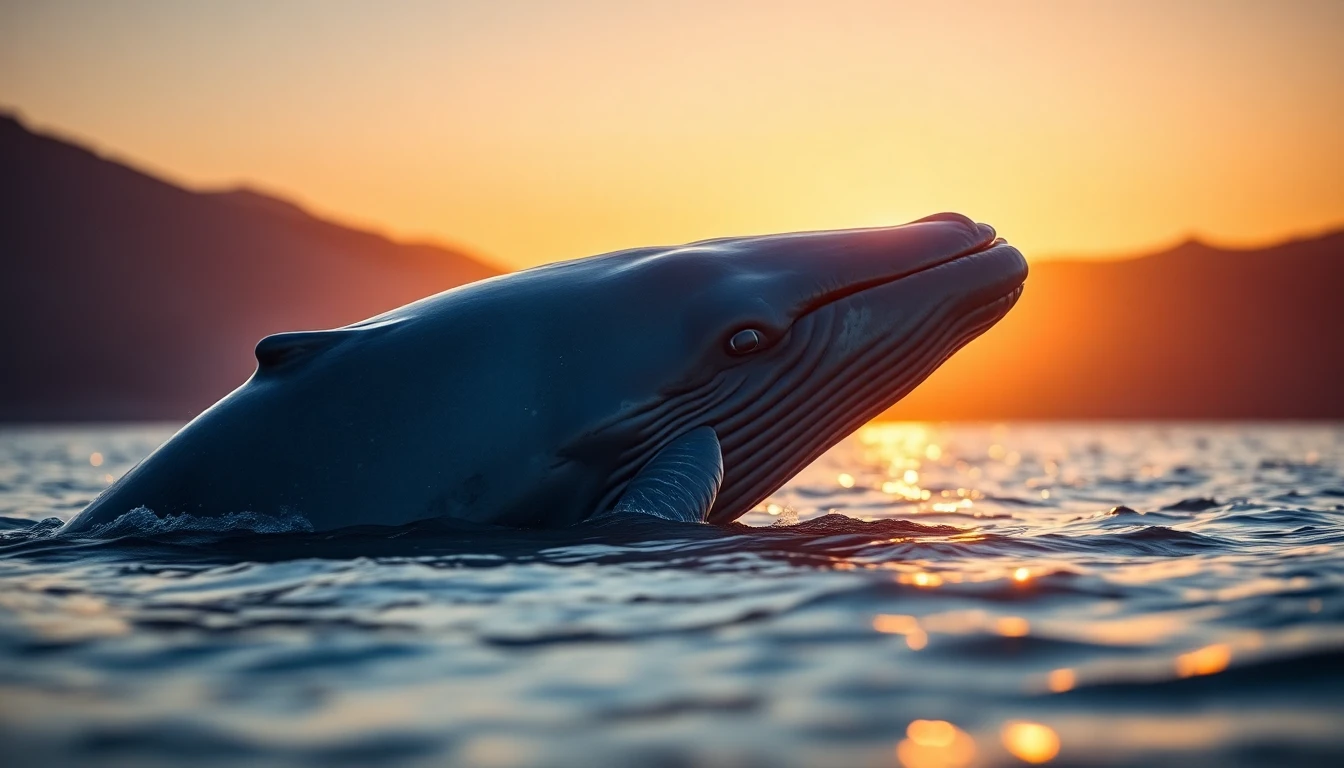
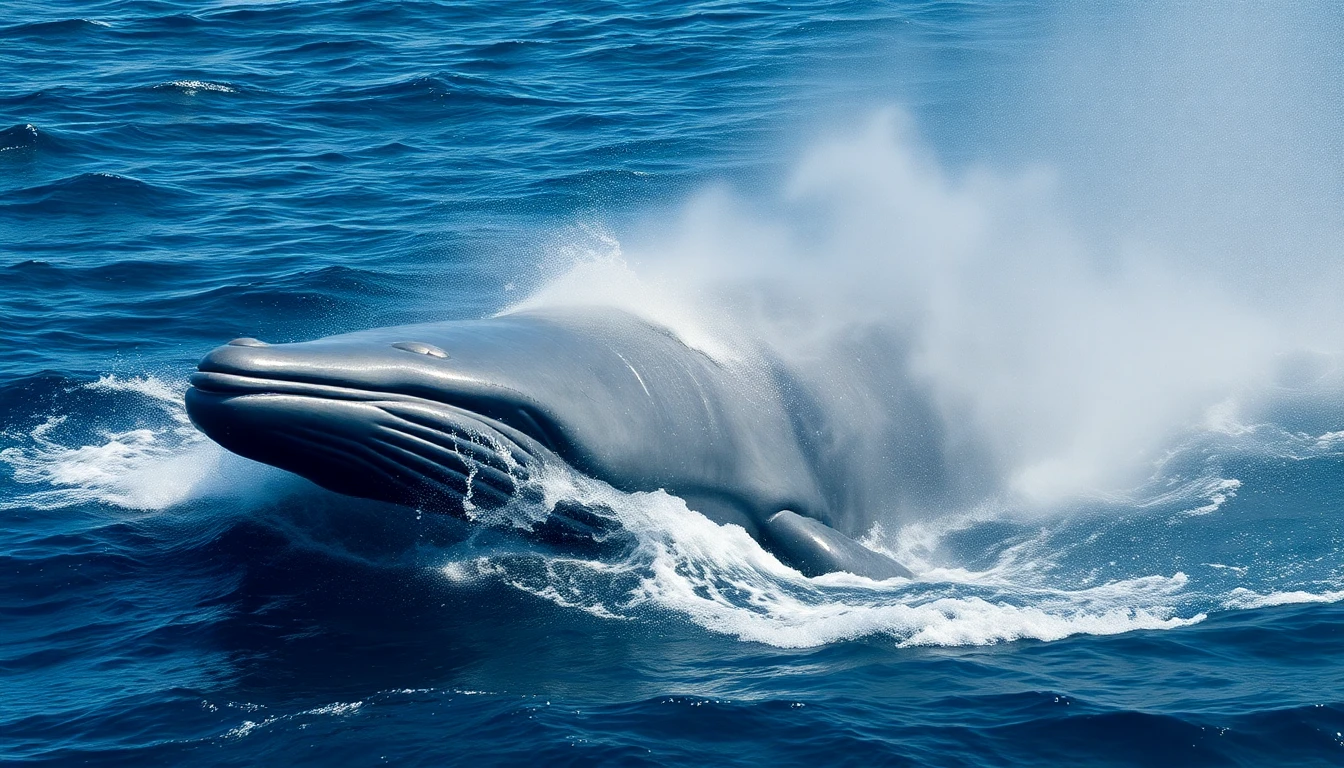
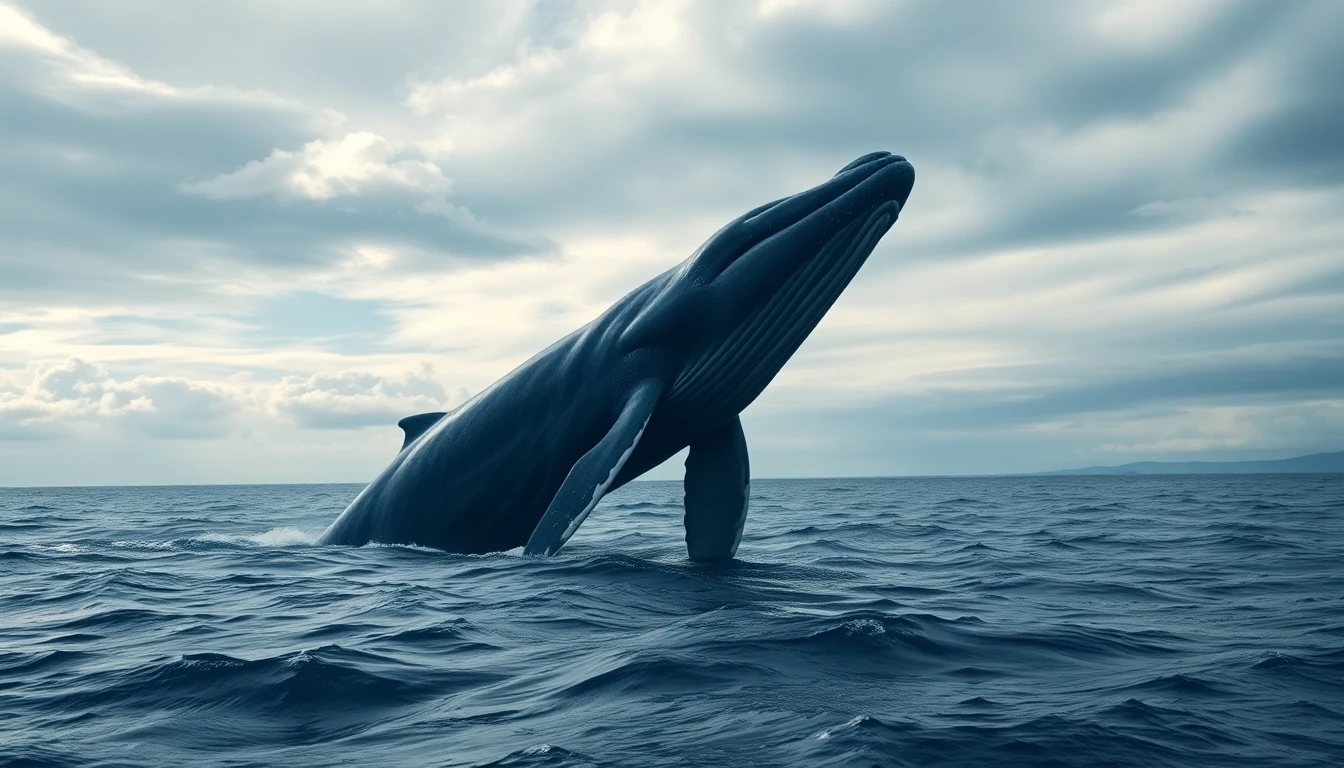
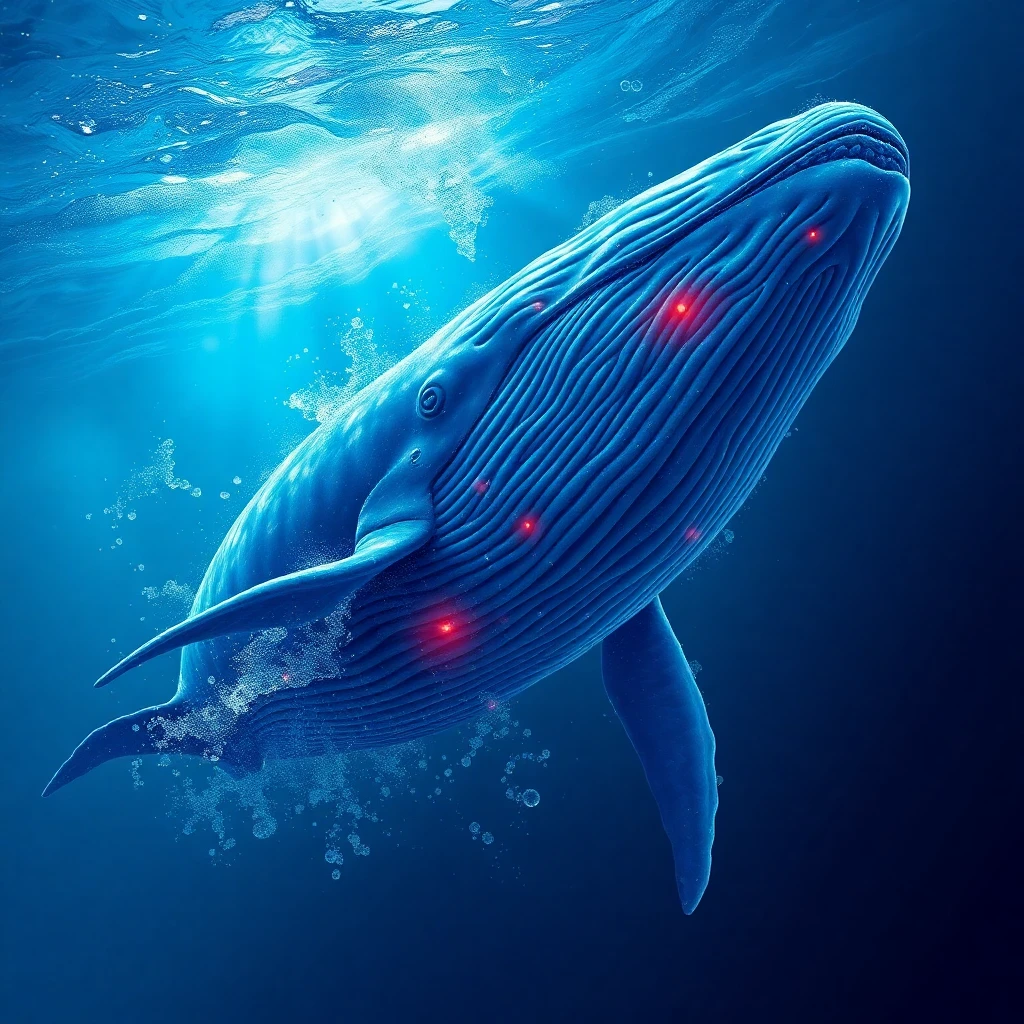
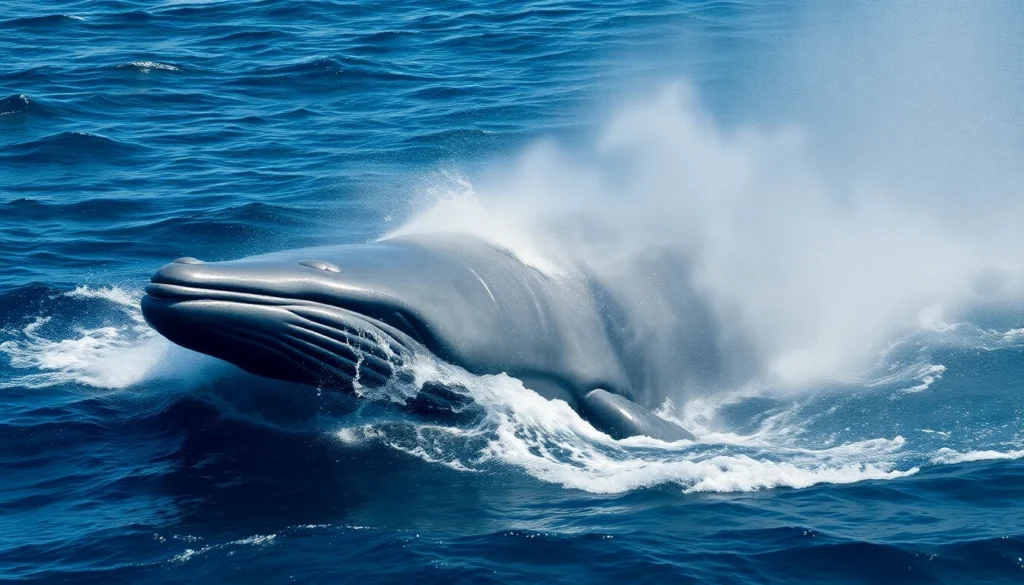
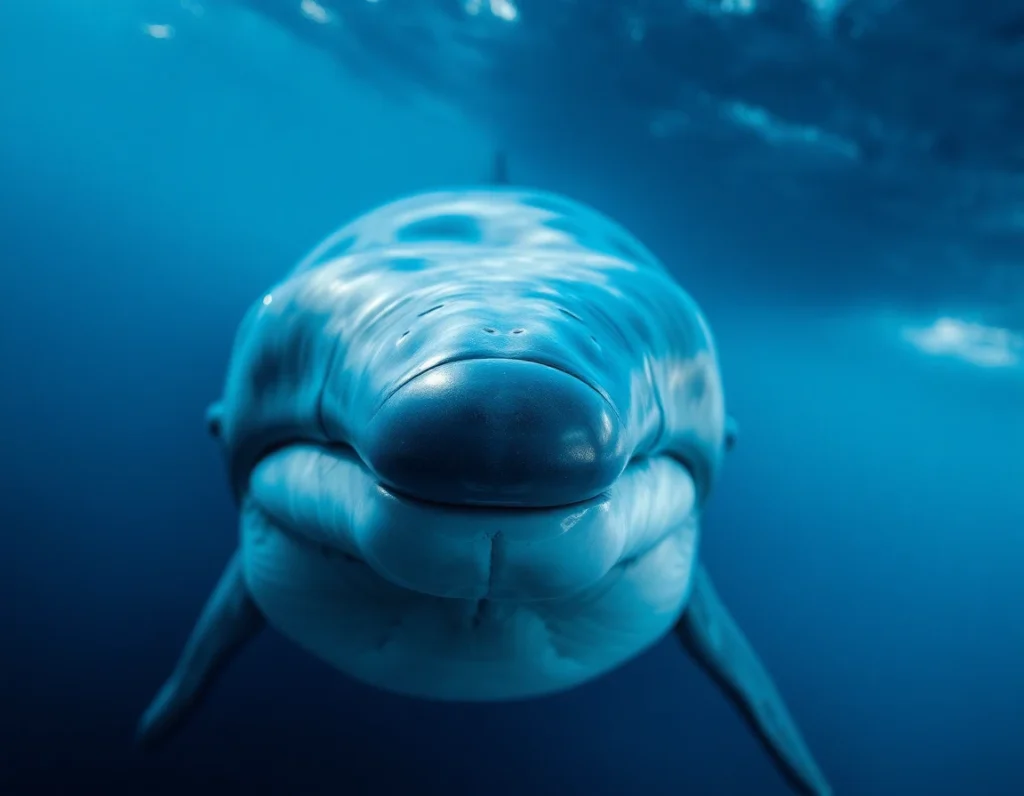
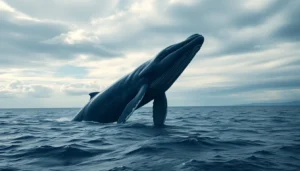
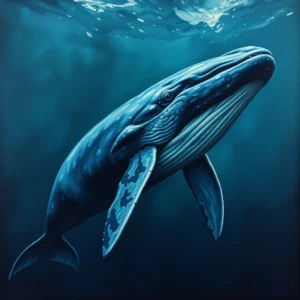
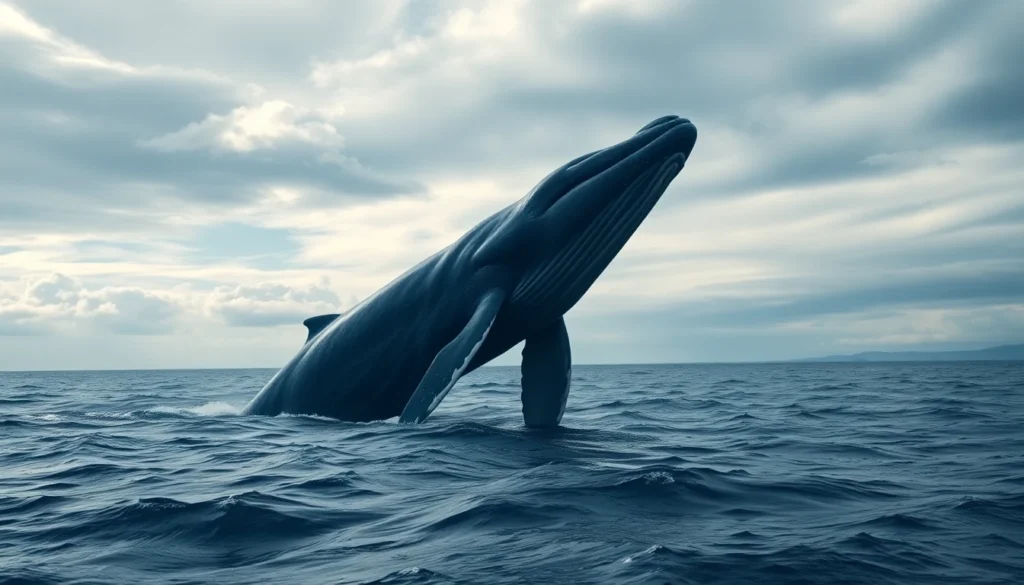
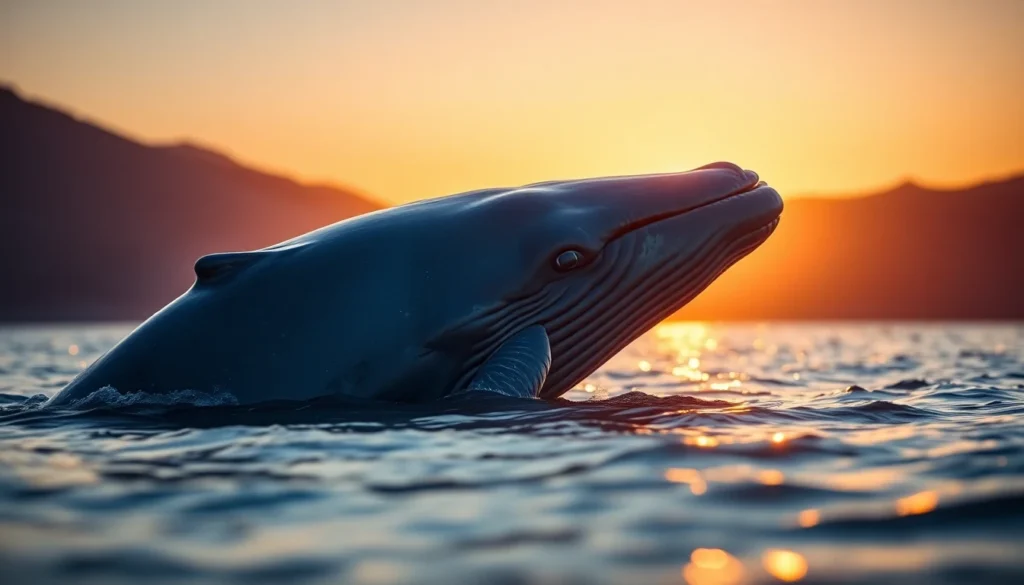
The Blue Whale (Balaenoptera musculus) is the largest animal known to have ever existed on Earth — larger than any dinosaur, any prehistoric creature in the fossil record. A mature blue whale can reach 30 metres (100 feet) in length and weigh up to 150 metric tonnes. To put this in perspective: a blue whale’s heart alone weighs 180 kg and is the size of a small car; its aorta is wide enough for a human to crawl through.
The Loudest Animal on Earth
Blue whale calls reach 188 decibels — louder than a jet engine, and by far the loudest sound produced by any animal. These infrasonic pulses (below human hearing) can travel across entire ocean basins, potentially connecting blue whales separated by 1,600 km. Each population has a distinct “dialect” — a unique call signature that differs between the North Pacific, North Atlantic, and Southern Ocean populations. Researchers have recently documented that blue whale call frequencies have been declining globally since 1960, possibly due to changing ocean noise environments or population recovery dynamics.
The Krill Paradox
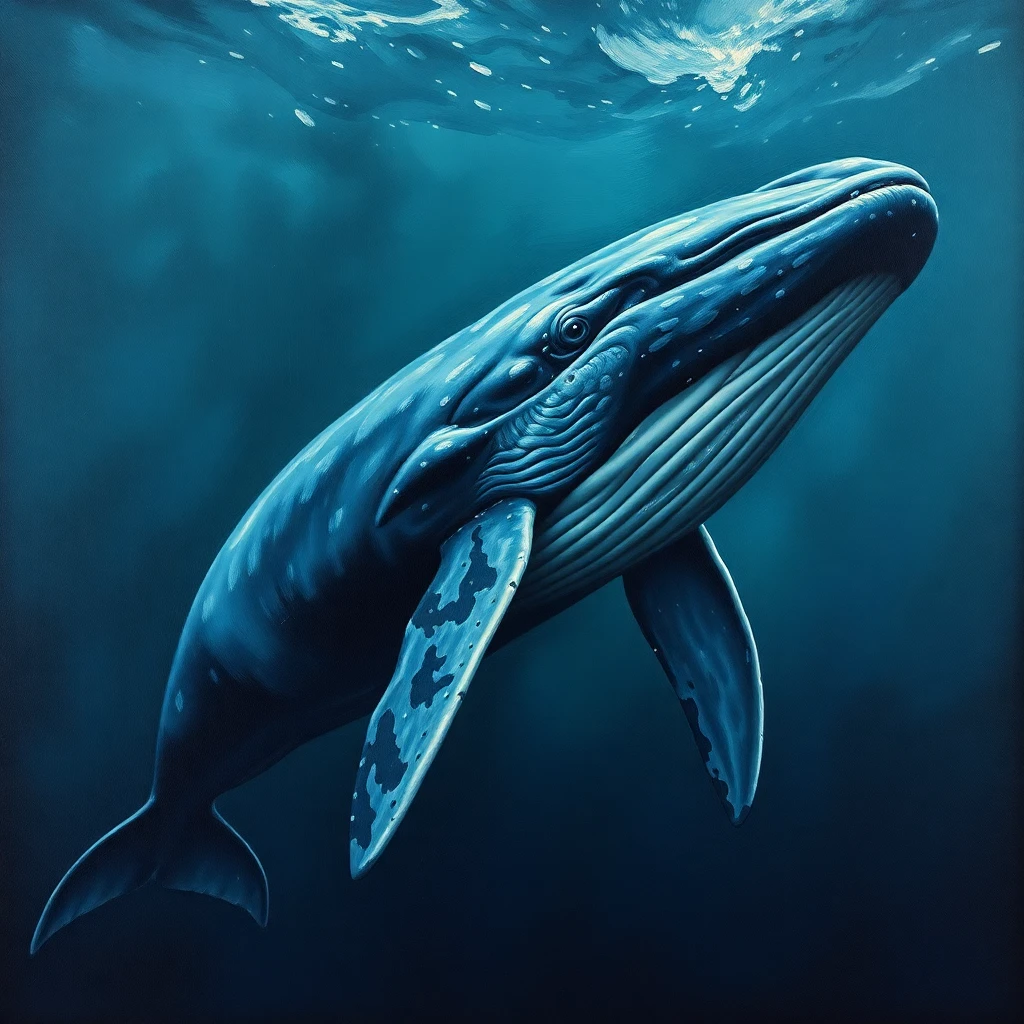
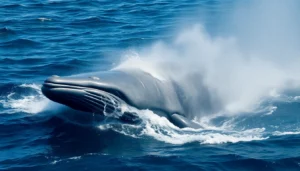
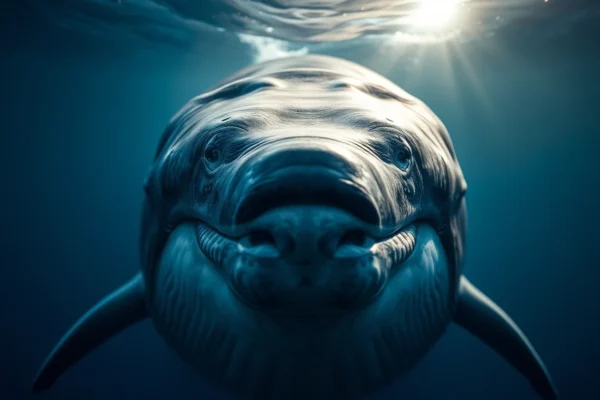
Earth’s largest animal survives exclusively on some of its smallest — krill, shrimp-like crustaceans 1–6 cm in length. During summer feeding seasons in polar waters, a blue whale consumes up to 4 tonnes of krill daily through lunge-feeding: accelerating to 11 km/h, opening its pleated throat pouch to engulf 90 tonnes of water and prey in a single lunge, then forcing the water through 270–395 baleen plates to trap the krill. This lunge-feeding is so energetically expensive that each lunge must catch enough krill to justify the caloric cost — a real-time cost-benefit calculation executed at the scale of tonnes.
Advertisement
Recovery from the Brink
Industrial whaling in the 20th century brought blue whales to the edge of extinction. Between 1900 and 1966 (when commercial hunting was banned), 360,000 blue whales were killed in the Southern Ocean alone — reducing the population from an estimated 350,000 to fewer than 1,000 individuals. Today, the global population is estimated at 10,000–25,000, showing slow recovery. Major remaining threats include ship strikes, entanglement in fishing gear, and the disruption of krill populations by ocean warming and acidification.
Join the Conversation
Share your thoughts about the Blue Whale