The Ocean’s Gentle Giants
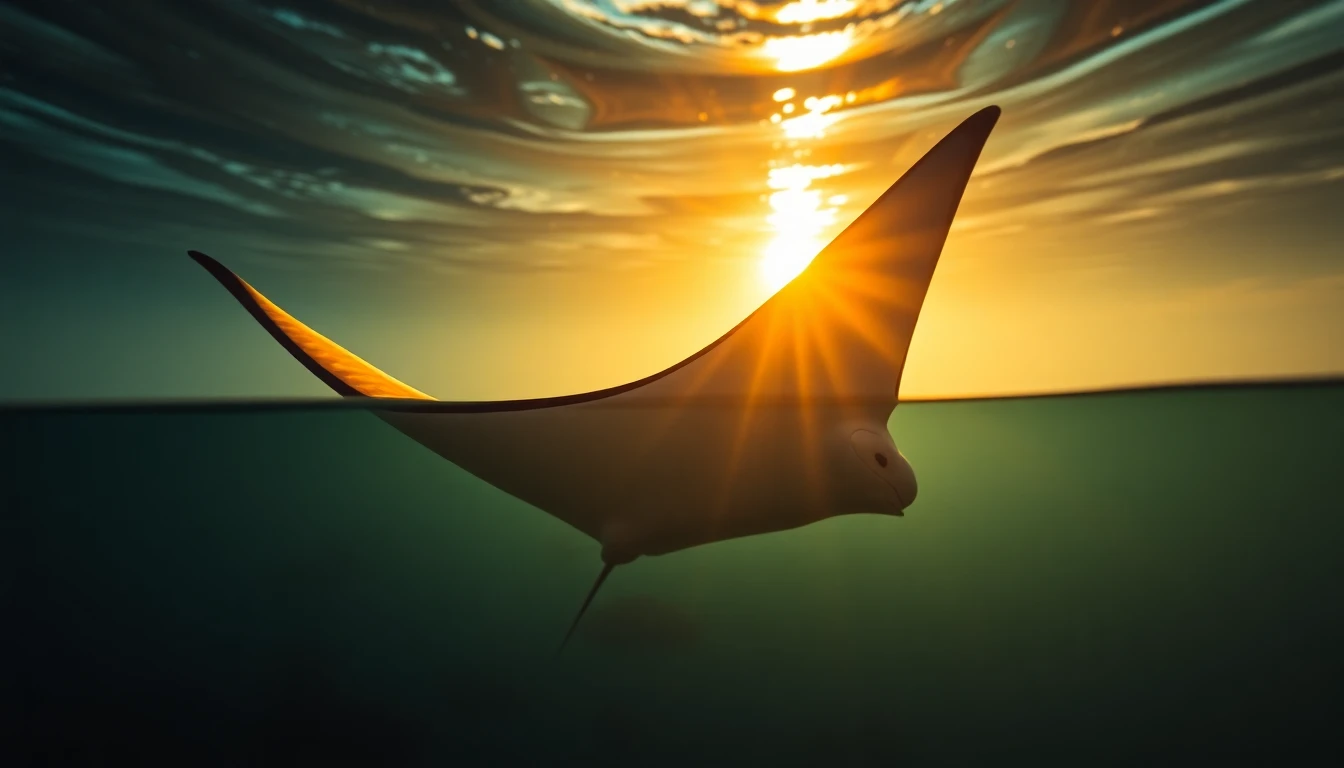
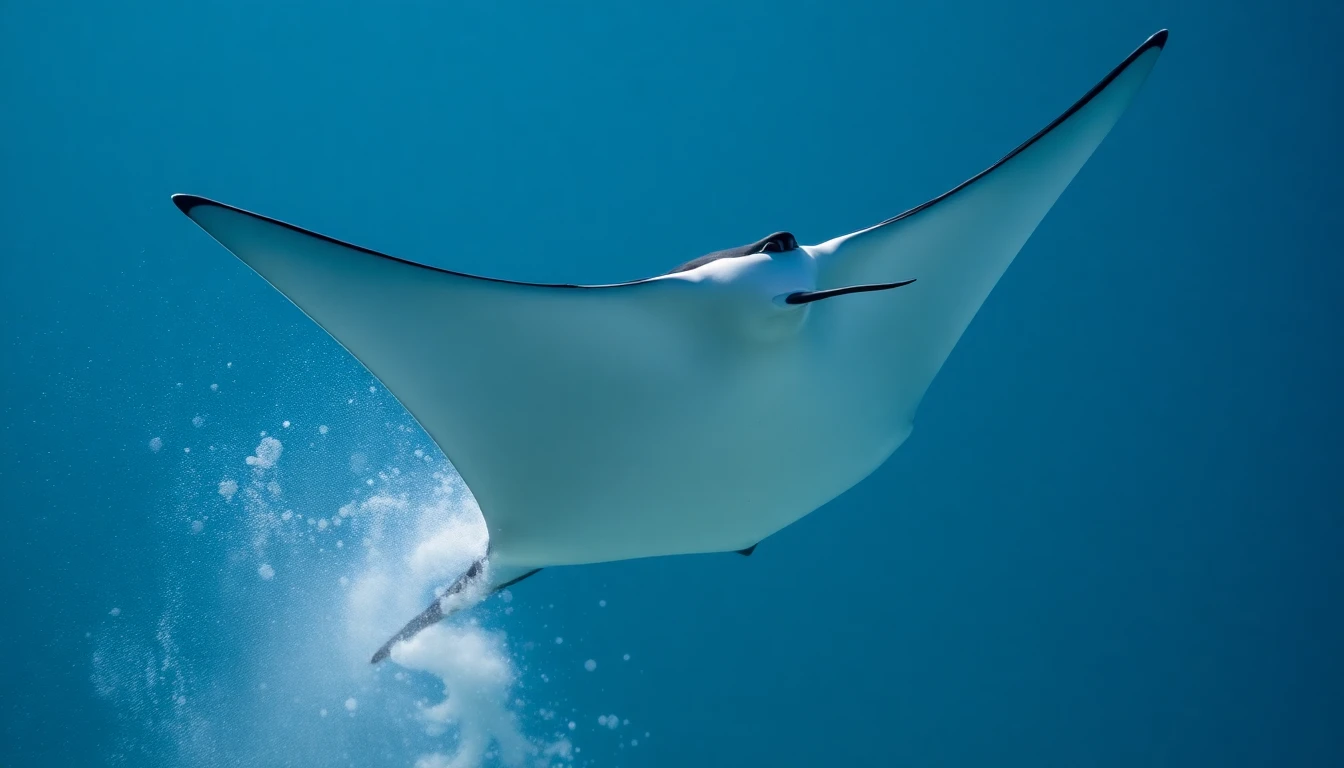
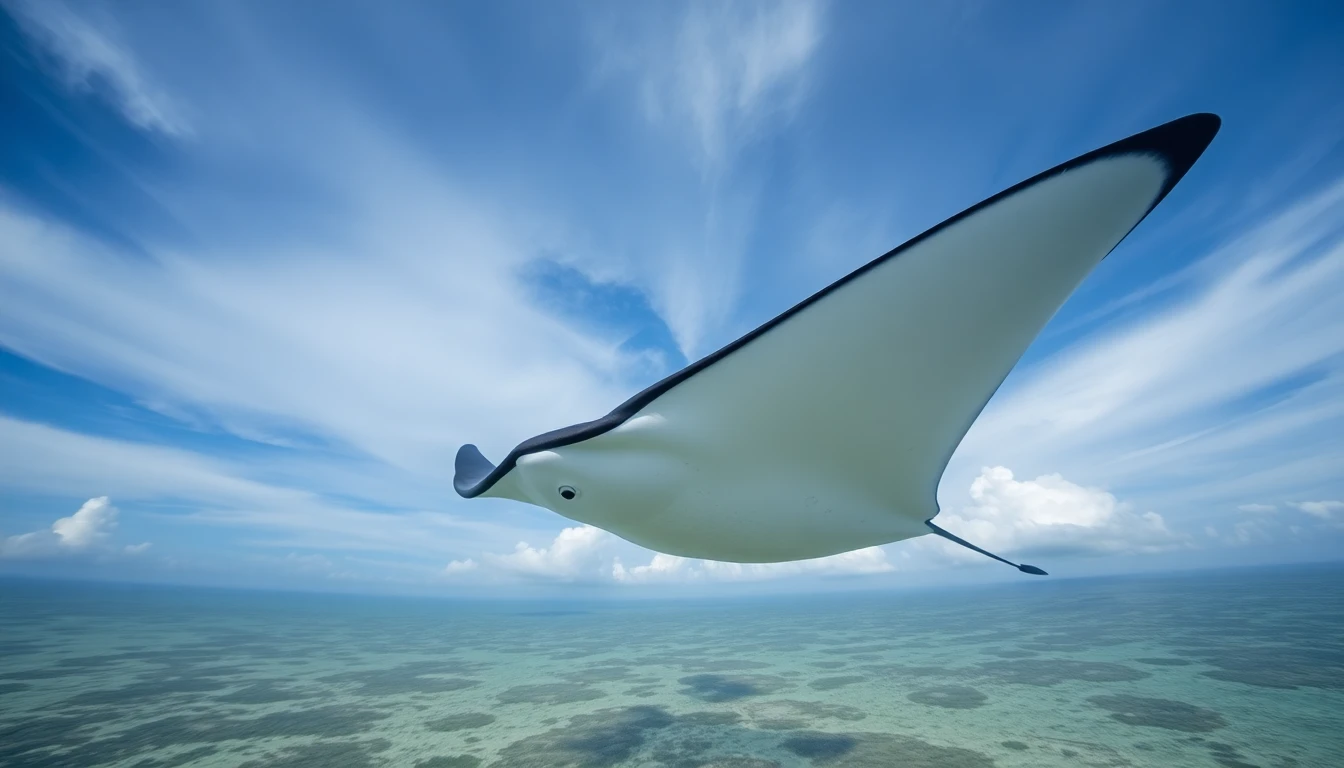
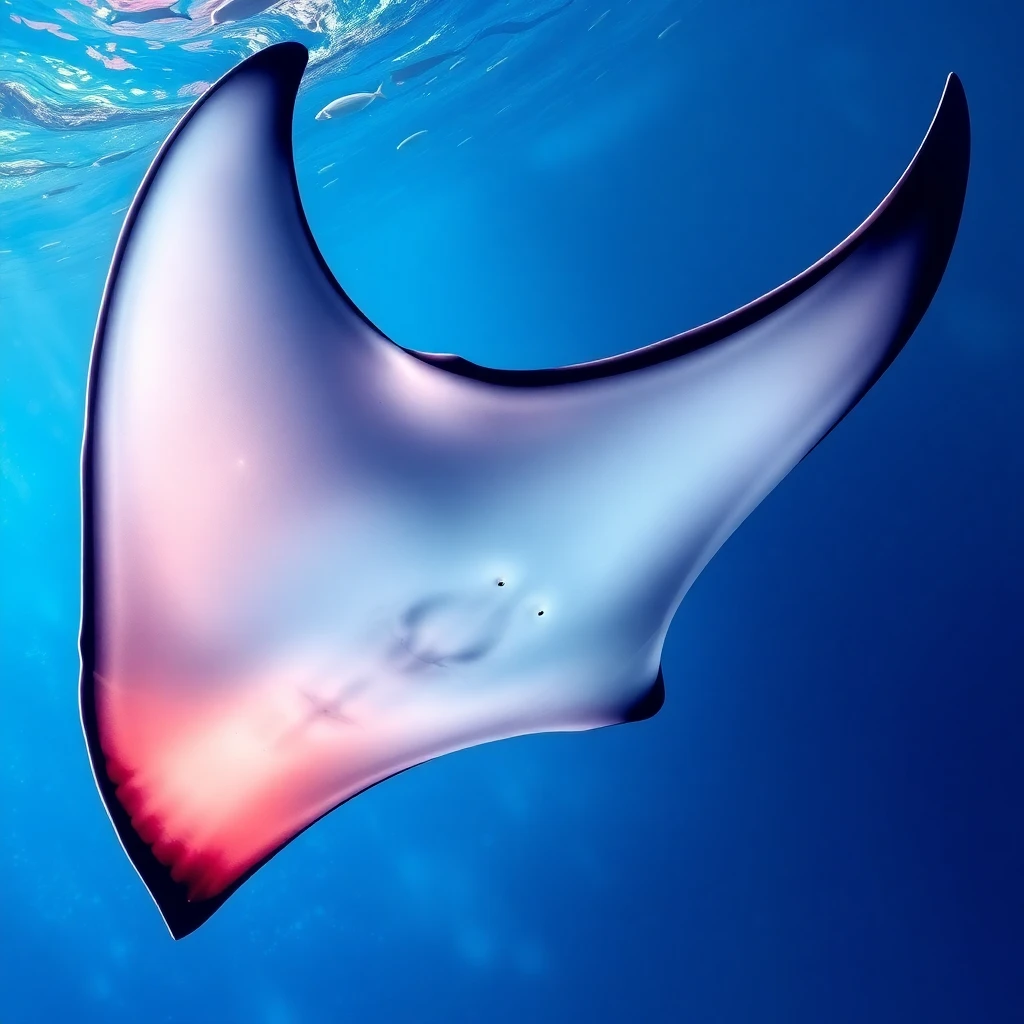
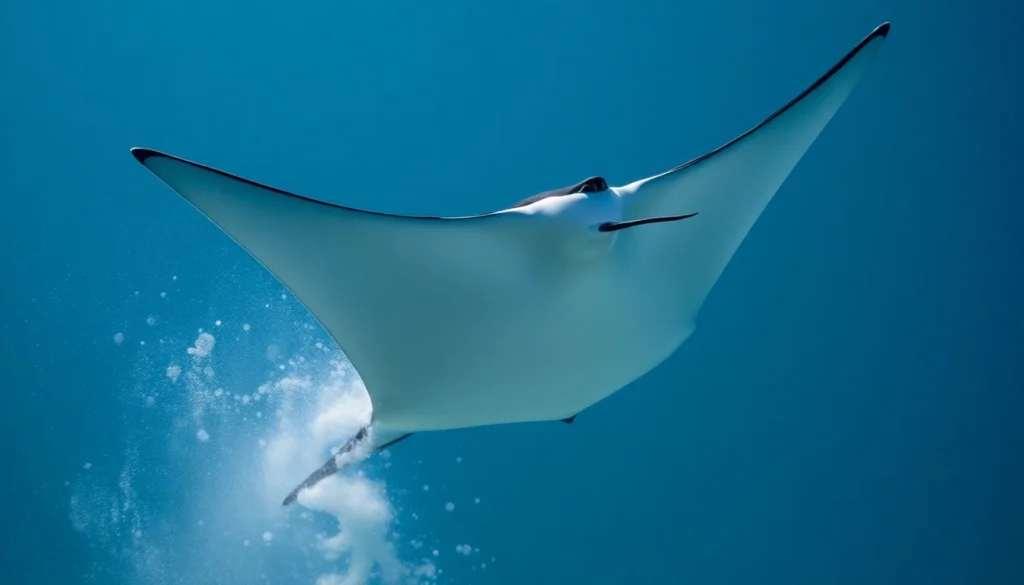
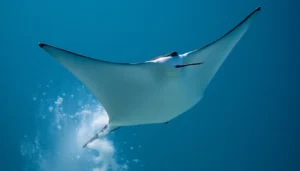
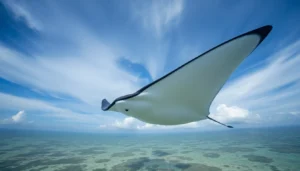
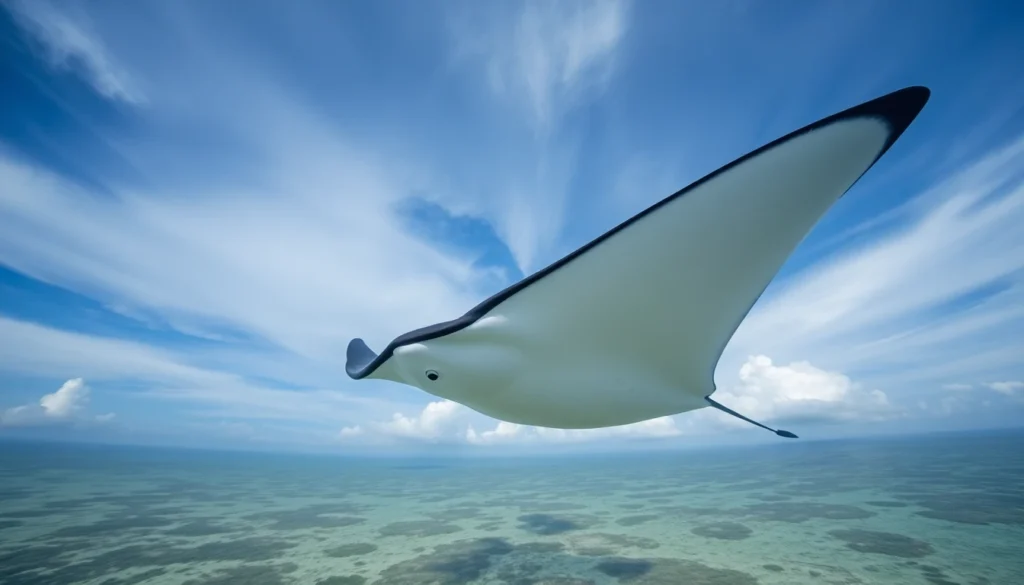
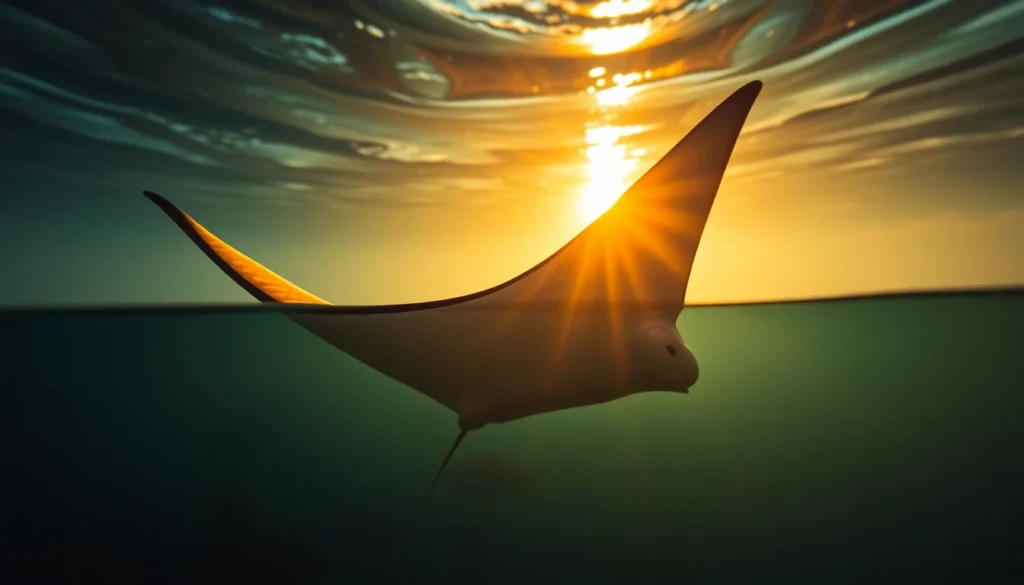
Manta Rays — comprising the Oceanic Manta (Mobula birostris) and Reef Manta (Mobula alfredi) — represent the ocean’s most graceful large animals. With wingspans reaching 9 metres (30 feet) and weights approaching 3 tonnes, oceanic mantas are the largest rays on Earth and among the most intelligent fish, possessing the largest brain-to-body ratio of any fish species and demonstrating behaviors — including apparent curiosity, play, and possibly self-recognition — that challenge conventional assumptions about fish cognition.
The Largest Fish Brain
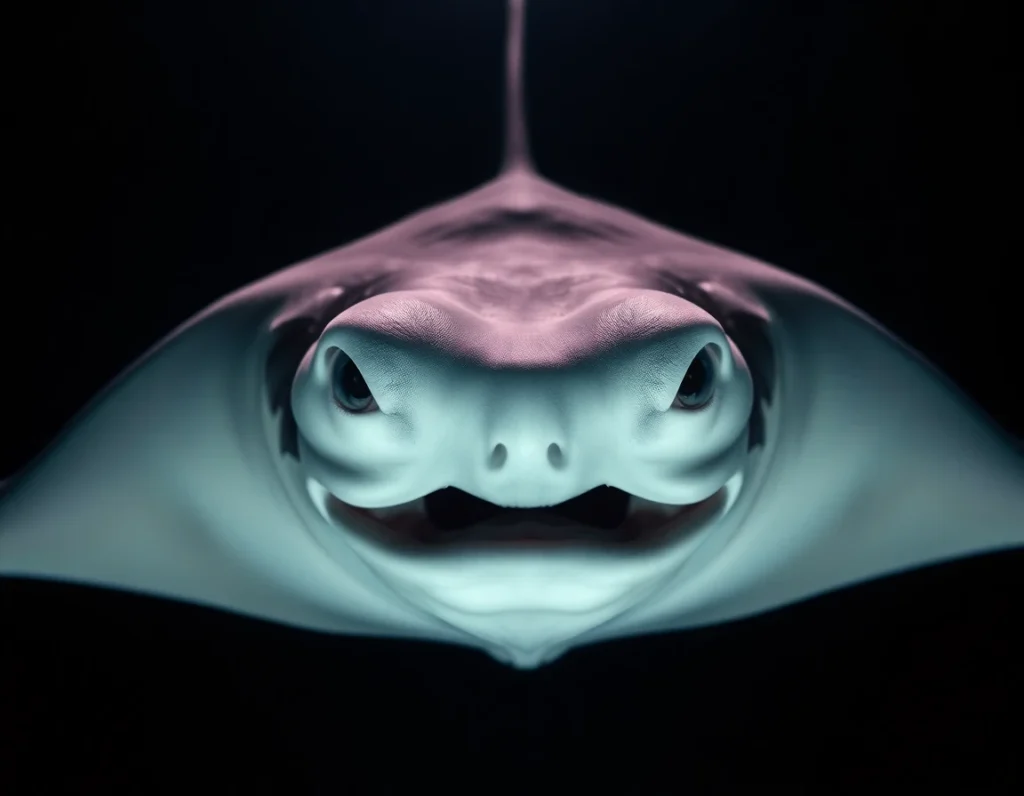
Manta rays possess a brain-to-body ratio comparable to some mammals and birds — remarkable for a fish. Research at the Biosphere Foundation has shown that mantas may demonstrate self-awareness in mirror tests — a cognitive milestone previously documented only in great apes, dolphins, elephants, and magpies. In the wild, mantas exhibit complex social behaviors including coordinated feeding formations, long-distance “manta trains” (follow-the-leader chains of up to 30 individuals), and appear to revisit cleaning stations — specific reef locations where cleaner fish remove parasites — with apparent knowledge and anticipation.
Cleaning Stations: The Reef’s Beauty Parlor
One of ocean ecology’s most remarkable symbioses plays out at “cleaning stations” — specific reef locations where manta rays hover motionless while cleaner wrasse fish dart into their gill slits, mouths, and across their skin surface, consuming dead tissue, bacteria, and parasites. A single cleaning session can remove hundreds of parasitic copepods. Mantas return to the same cleaning stations repeatedly, with researchers observing individual rays visiting specific reef locations across multiple years — a spatial memory performance requiring navigation over hundreds of kilometers of open ocean.
Advertisement
Join the Conversation
Share your thoughts about the Manta Ray