Loading Wildlife…

Cetacea (Whales) VU

THE

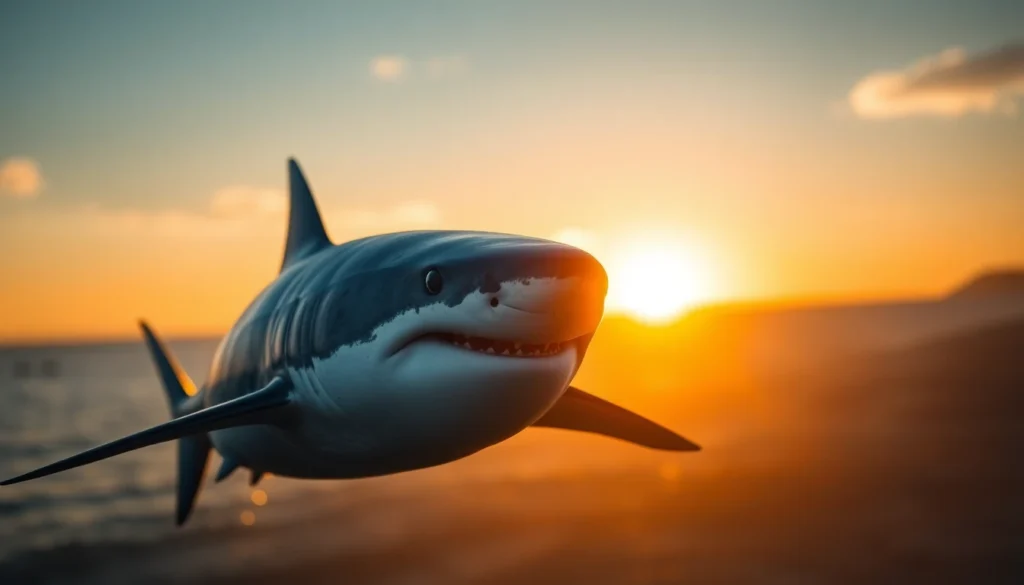
GREAT WHITE SHARK

Ocean's Apex Predator

Carcharodon carcharias

Africa
CLASS Mammalia FAMILY Cetacea (Whales) GENUS Carcharodon
40–56 km/h (25–35 mph)
Top Speed
⚖️
680–1,100 kg (1,500–2,400 lbs)
Max Weight
📏
4–6 m (13–20 ft)
Body Length
🕰️
70+ years
Lifespan
🌍
3,500 – 5,000 (est.)
Est. Left
🍖
Apex Predator
Diet Type

IUCN Red List — Where this species stands

LC Least Concern
NT Near Threatened
VU Vulnerable
EN Endangered
CR Critical
EW Extinct Wild
EX Extinct

About the Great White Shark

Carcharodon carcharias

Advertisement

The Ocean’s Most Feared Predator

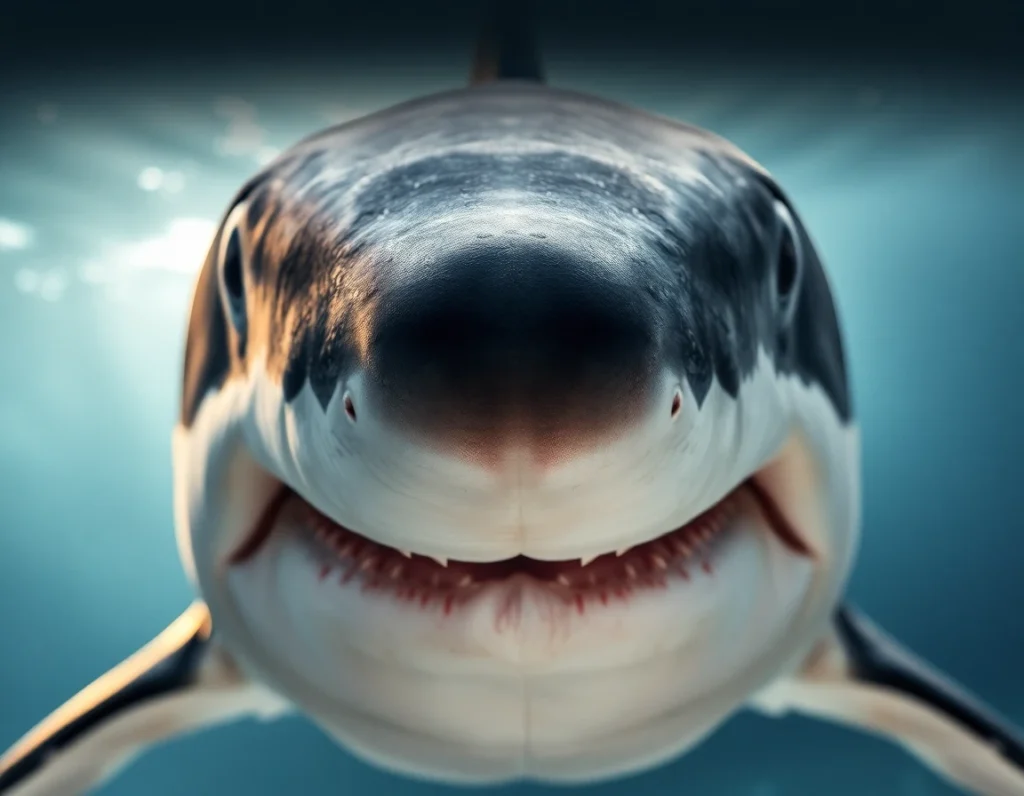
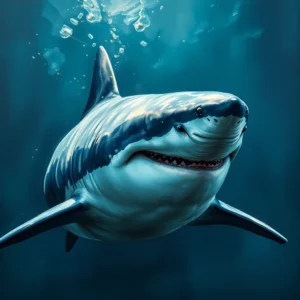
The Great White Shark (Carcharodon carcharias) occupies a unique space in the human imagination — simultaneously the most feared animal in the world and one of the most ecologically critical. As the apex predator of temperate and cold marine ecosystems, great white sharks regulate populations of seals, sea lions, and large fish, preventing prey species from overgrazing kelp forests and marine food webs.

Sensory Supercomputer

Great white sharks possess a sensory arsenal that makes them extraordinary hunters. The lateral line system detects pressure waves and vibrations in water up to hundreds of meters away. The ampullae of Lorenzini — electroreceptors in the snout — detect the weak bioelectric fields generated by all living organisms, allowing sharks to find prey buried under sand or in complete darkness. They can detect one drop of blood diluted in 10 billion parts of water and sense the electrical output of a heartbeat from over a metre away.

Breaching: 1,000 kg of Aerial Predator

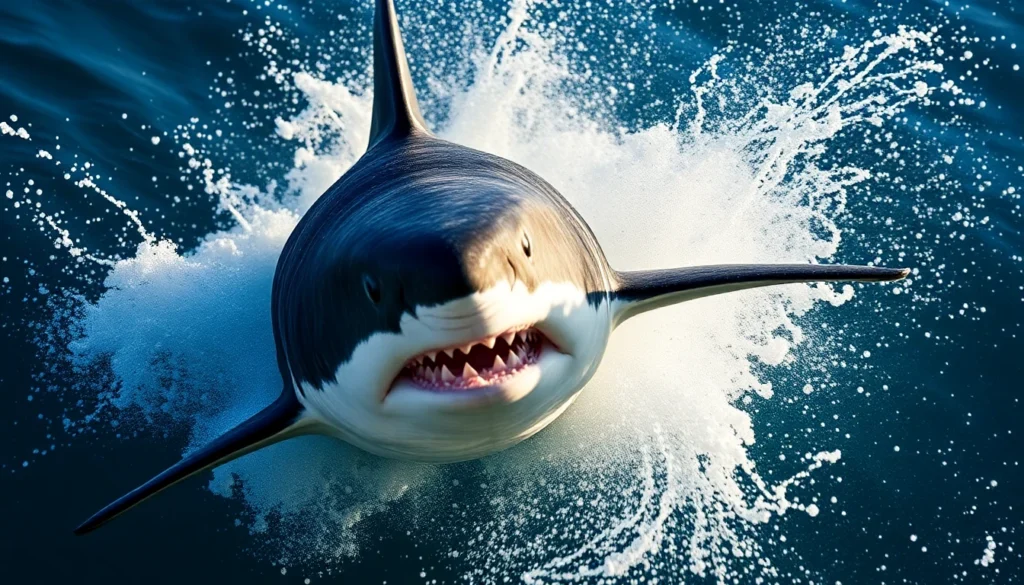
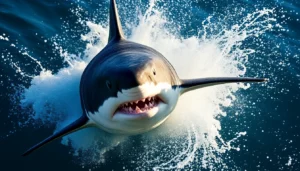
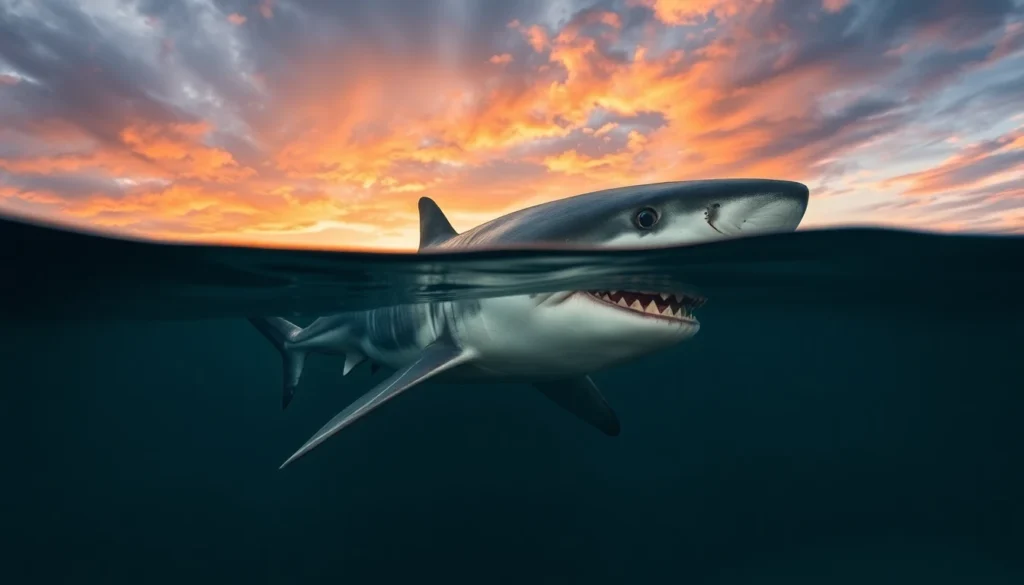
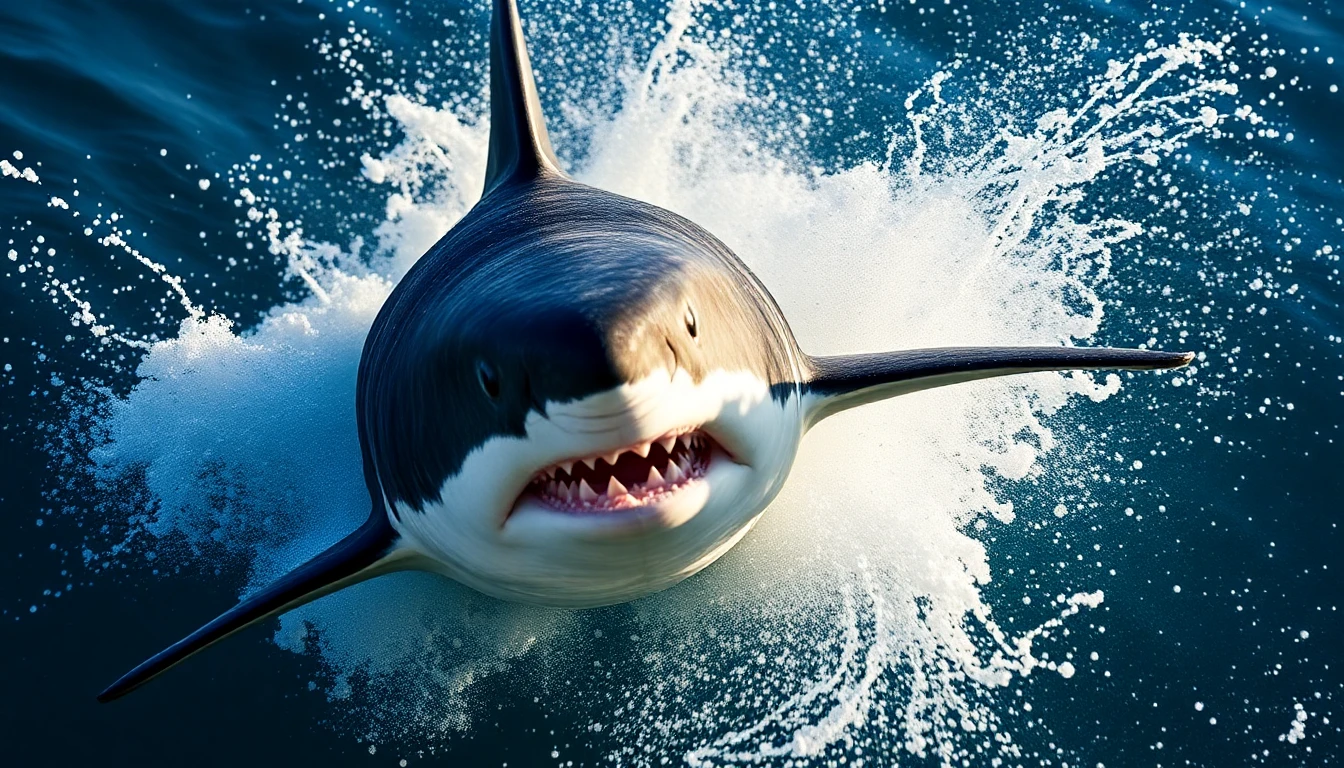
Off Seal Island, South Africa, great white sharks attack cape fur seals from below at speeds of 40 km/h, generating enough upward momentum to launch their entire body — up to 1,100 kg — completely clear of the water surface in a spectacular breach. This “polaris attack” requires calculating the seal’s position, speed, and trajectory from below during a near-vertical acceleration. The attack lasts 300 milliseconds — faster than the human eye can track.

Advertisement

Conservation Reality

Despite their fearsome reputation, great white sharks are in trouble. Population estimates suggest fewer than 3,500 mature individuals remain globally — making them rarer than tigers. They are killed for their fins, liver oil (used in cosmetics), jaws, and teeth; accidentally caught in fishing nets; and killed in “shark control” programs that use drum lines and nets at beaches. Their slow reproductive rate (sexually mature at 26 years, producing only 2–10 pups per litter) makes population recovery extremely slow.
⚡ Speed Comparison

Human
12 km/h
Great White Shark
40 km/h
Car (city)
50 km/h
Horse
54 km/h

💡 Fun Facts

01

Can detect one drop of blood in 10 billion parts water

02

Teeth are replaced continuously — shark may use 50,000 teeth in a lifetime

03

Warm-blooded — can regulate body temperature above ocean ambient

04

Rarer than tigers — fewer than 3,500 mature individuals remain

05

Have survived 5 mass extinction events over 450 million years

Unlock Expert Wildlife Facts

Watch a short 15-second video to unlock detailed expert analysis, exclusive wildlife photography, and rare behavioral facts.

📍 Where to Find This Animal

Habitat Types: Ocean & Marine

🛒 Great White Shark Related Gear

As an Amazon Associate we earn from qualifying purchases.

Leave a Reply

Your email address will not be published. Required fields are marked *

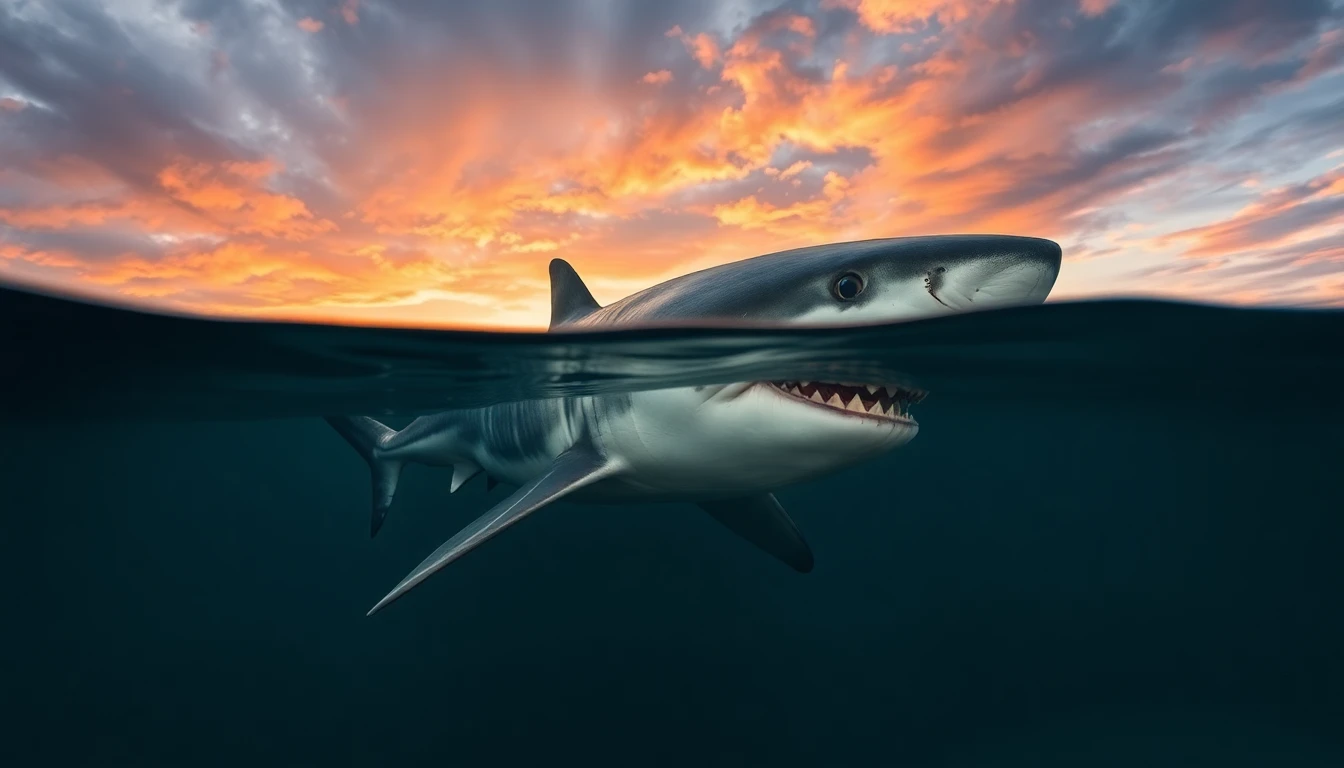
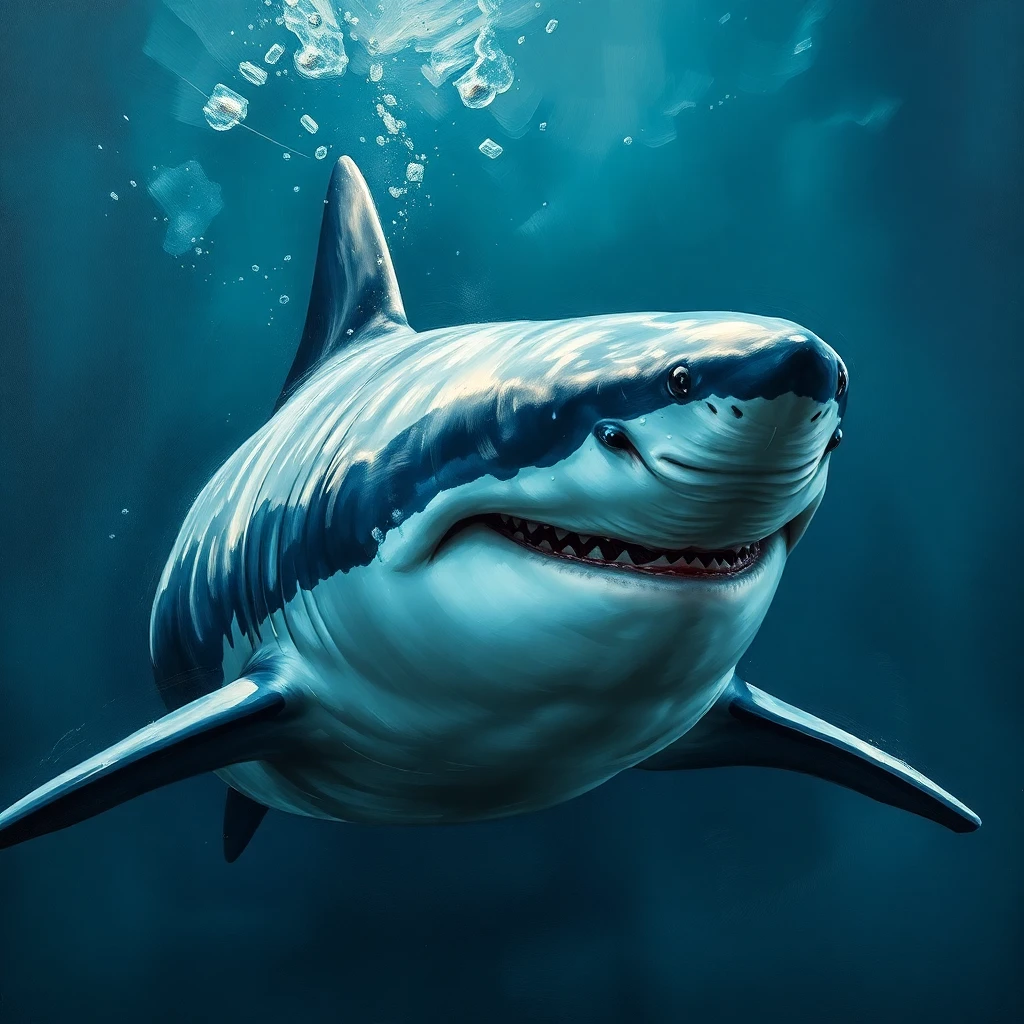
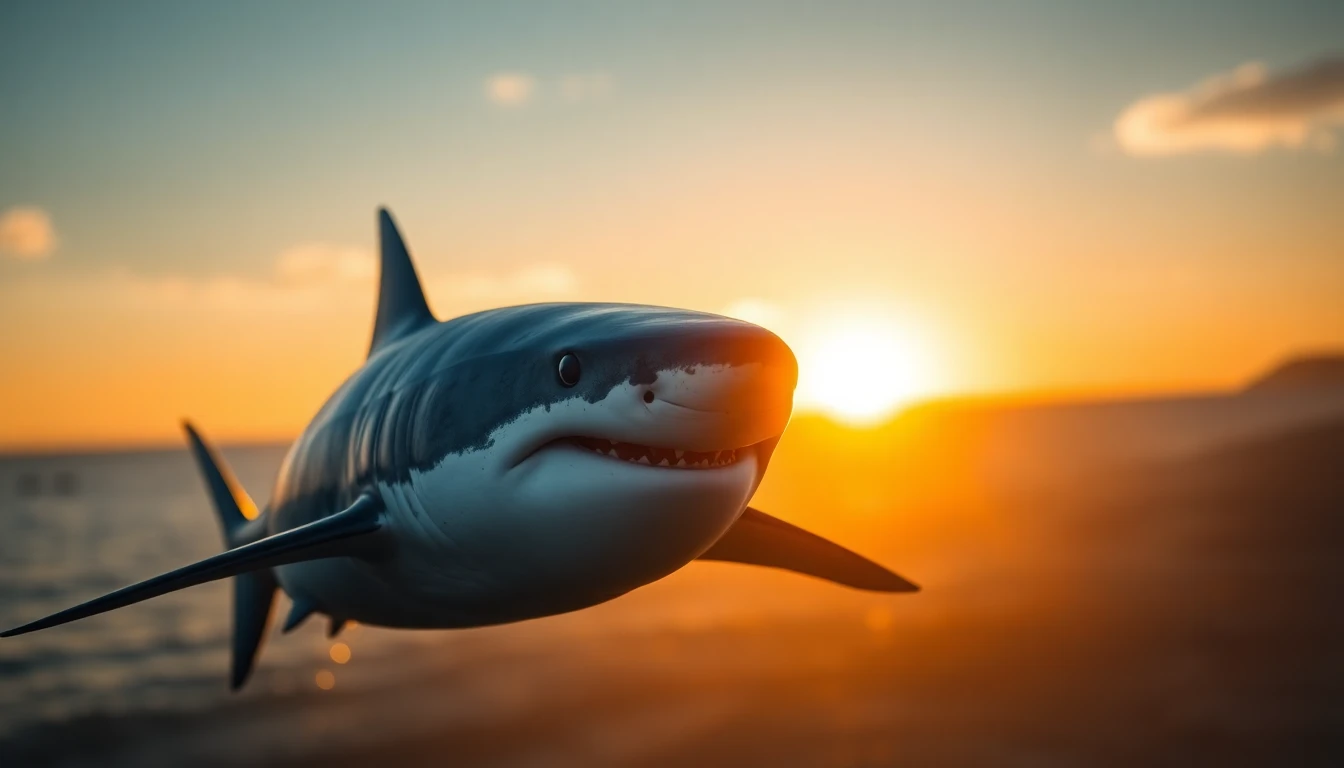
Great White Shark close-up
Great White Shark

SURVIVAL TOOLKIT

Built for Survival

Nature's engineering refined over millions of years

ud83euddb7 300 Serrated Teeth

Up to 300 teeth in multiple rows; lost teeth are replaced within days.

ud83dudc43 Electroreception

Ampullae of Lorenzini detect the faint electrical fields of heartbeats from 1+ km.

ud83cudf0a Countershading

Dark dorsal, white ventral u2014 invisible from above and below, the perfect ambush camouflage.

ud83dudd01 Ram Ventilation

Must swim constantly to force water across gills u2014 stopping means suffocation.

ud83dudca8 Burst Speed

Launches from the deep at 40 km/h for breaching attacks on seals.

ud83eudde0 Lateral Line

Pressure-sensing canal along the body detects vibrations of struggling prey underwater.

Estimated Wild Population

3,500 – 5,000 (est.)

Great White Shark remaining in the wild

VU ▼ Population Declining

For context — New York City alone has 8 million people.
The entire wild population of the Great White Shark could fit inside a single football stadium.

💡

Did You Know?

Great White Sharks can detect a drop of blood in 100 litres of water and sense a heartbeat from over a kilometre away using electroreception.

What Does the Great White Shark Eat?

Apex Predator

🦌 Seals
🦌 Sea Lions
🦌 Dolphins
🦌 Sea Turtles
🦌 Large Fish
🦌 Whale Carcasses

Threats to the Great White Shark

Human activity and habitat loss are pushing this species toward extinction

ud83dudd78ufe0f

Bycatch

Caught unintentionally in commercial fishing nets u2014 thousands die annually.

ud83eudd88

Finning

Fins removed for shark fin soup; bodies dumped at sea.

ud83cudf21ufe0f

Climate Change

Ocean warming shifts prey distribution, altering migration routes.

ud83dudc8a

Pollution

Plastic ingestion and toxin accumulation compromise immune and reproductive systems.

GEOGRAPHIC RANGE

Where Do Great White Sharks Live?

🌍
Continents
🐾
Wild Population 3,500 – 5,000 (est.) estimated
📉
Population Trend Declining

Conservation in Action

How You Can Help the Great White Shark

Small actions, taken together, can reverse the decline of species like this one

🌳 Protect Habitat

Support wildlife reserves and protected land corridors

🚫 Stop Poaching

Report illegal trade and back anti-poaching patrols

🔬 Fund Research

Camera-trap studies and population monitoring

🤝 Community Work

Partner with local herders to reduce conflict

📢 Raise Awareness

Educate and inspire future wildlife champions

"Without urgent action, the Great White Shark could disappear from the wild within our lifetime."

PROTECT THEM. PRESERVE THEIR LEGACY.

The Great White Shark's Future
Is In Our Hands

Every share, every donation, every voice raised — makes a difference for wildlife conservation.

🌳Protect Habitat
📢Raise Awareness
💰Fund Research
🤝Community Work
🚫Stop Poaching

Advertisement