Loading Wildlife…

LC

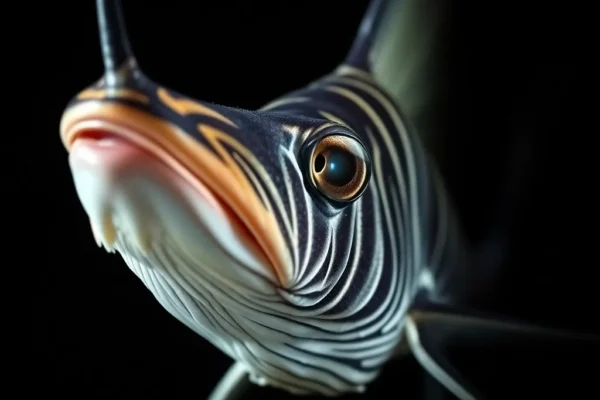
Sailfish

Istiophorus platypterus

  • 110 km/h
  • 58–100 kg
  • 4–8 years
Tropical Open Ocean

The sailfish is the fastest fish in the ocean, capable of bursts exceeding 110 km/h that make it the undisputed speed champion of all marine…

Explore
NT

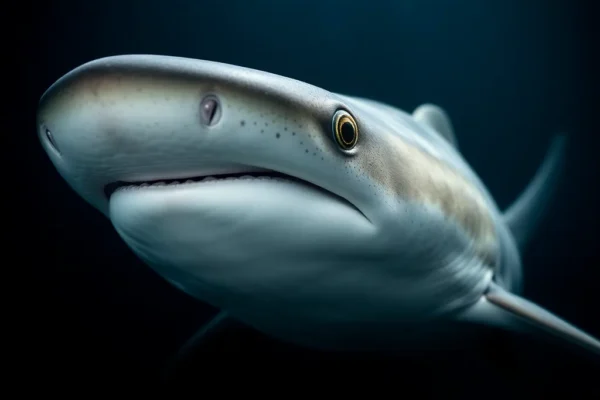
Tiger Shark

Galeocerdo cuvier

  • 53 km/h
  • 385–635 kg
  • 27–50 years
Tropical & Subtropical Oceans

The tiger shark is the ocean’s great generalist predator, second only to the great white in documented attacks on humans but far more ecologically wide-ranging.…

Explore
LC

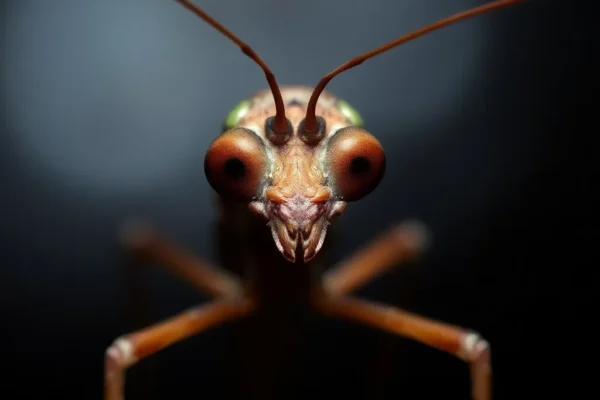
Stick Insect

Phasmatodea (order)

  • 0.5 km/h
  • 1–65 g kg
  • 1–3 years
Tropical Forest

Stick insects are the world’s greatest living impostors, belonging to the order Phasmatodea which contains over 3,000 species, all masters of camouflage. They mimic twigs,…

Explore
LC

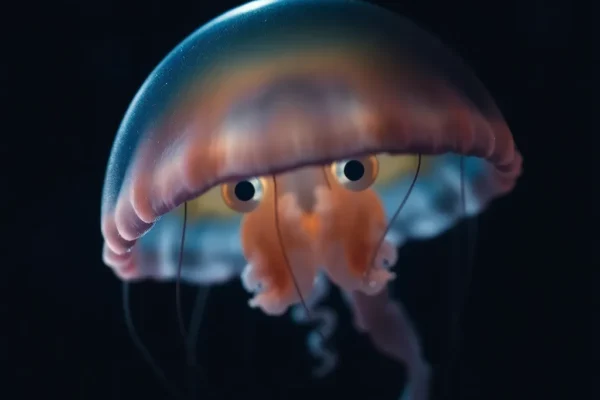
Jellyfish

Aurelia aurita

  • 8 km/h
  • Up to 1 kg
  • 1–2 years
Open Ocean

The moon jellyfish is one of the most widespread and recognizable cnidarians on the planet, drifting through every ocean from the tropics to subarctic seas.…

Explore
LC

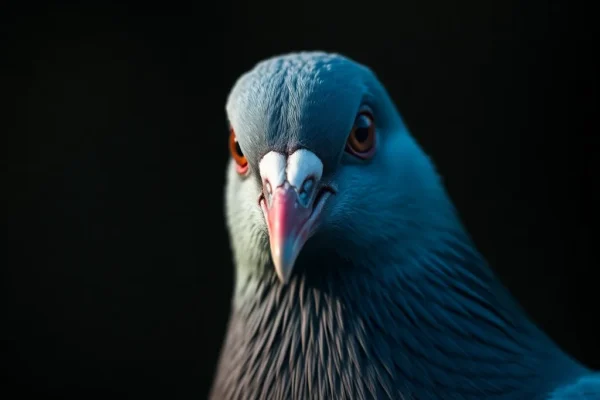
Pigeon

Columba livia

  • ~95 km/h
  • 250-400 g kg
  • 3-6 years (urban wild)
Urban Areas & Cliffs

The rock pigeon is one of the world’s oldest domesticated birds, with evidence of pigeon husbandry dating back over 5,000 years in Mesopotamia. The wild…

Explore
LC
Anatidae Global

Mallard

Anas platyrhynchos

  • ~80 km/h
  • 0.9-1.4 kg
  • 5-10 years
Wetlands & Urban Parks

The mallard is the most abundant and widely distributed duck in the world, ancestral to nearly all domestic duck breeds and found across the entire…

Explore
LC

Giant Squid

Architeuthis dux

  • ~25 km/h
  • 150-275 kg
  • 3-5 years
Deep Ocean (200–1,000 m)

The giant squid is one of the largest invertebrates on Earth and one of the most elusive megafauna, never observed alive in its natural deep-ocean…

Explore
VU

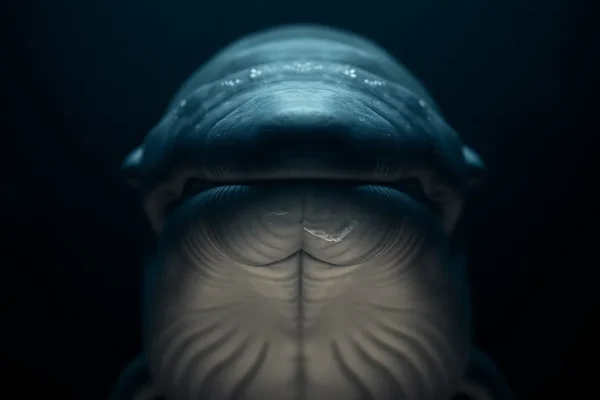
Sperm Whale

Physeter macrocephalus

  • ~35 km/h
  • 41,000-57,000 kg
  • 60-70 years
Deep Ocean

The sperm whale is the largest toothed predator on Earth and the deepest-diving mammal, capable of descending over 3,000 meters in search of giant squid.…

Explore
LC
Apidae Global

Honey Bee

Apis mellifera

  • ~24 km/h
  • 0.1 g (worker) kg
  • 6 weeks (worker); 3-5 years (queen)
Meadows, Forests & Agricultural Land

The western honey bee is arguably the world’s most economically important insect, pollinating roughly one-third of all human food crops and producing honey as a…

Explore
LC
Muscidae Global

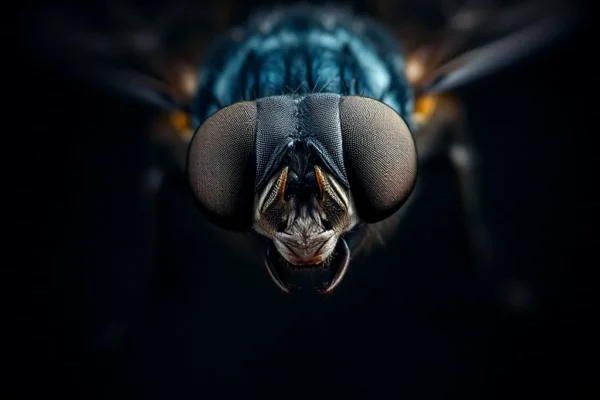
Housefly

Musca domestica

  • 8 km/h
  • 12 mg kg
  • 15–30 days yrs
Human Settlements & Livestock Areas

The common housefly is one of the world’s most widely distributed insects, found on every continent except Antarctica wherever humans and their livestock create warm,…

Explore
LC

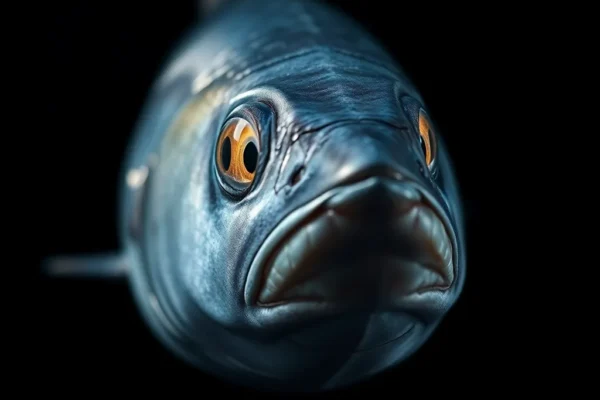
Tuna

Thunnus thynnus

  • 70 km/h
  • 136–680 kg
  • 15–35 years
Open Ocean (Temperate & Subtropical Atlantic)

The Atlantic bluefin tuna is the largest of all tuna species and one of the most extraordinary fish on the planet — a warm-blooded, highly…

Explore
EN

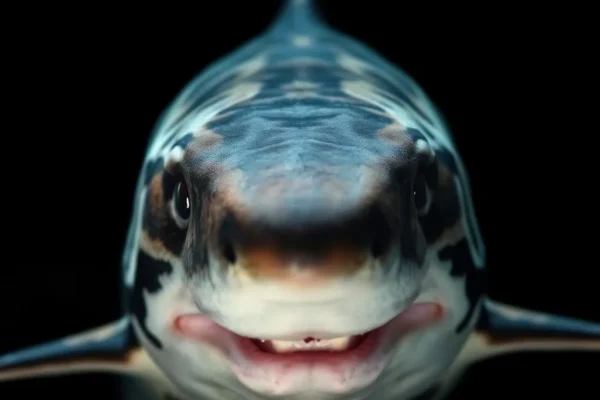
Whale Shark

Rhincodon typus

  • 5 km/h
  • 9,000–21,500 kg
  • 80–130 years
Tropical & Warm Temperate Oceans

The whale shark is the world’s largest fish, a slow-moving filter feeder that drifts through tropical oceans consuming enormous volumes of tiny plankton, fish eggs,…

Explore

Advertisement