Loading Wildlife…

LC

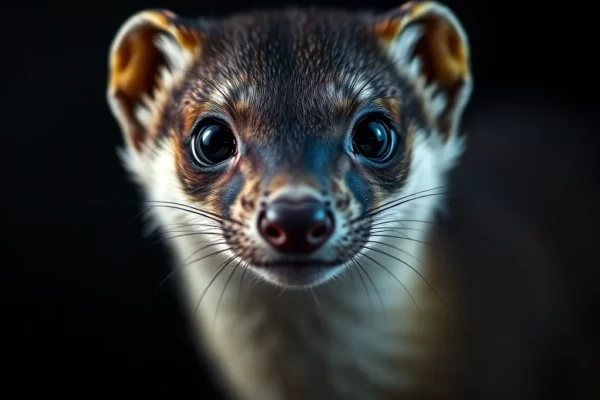
Weasel

Mustela nivalis

  • 25 km/h
  • 30–250 g kg
  • 1–3 years (wild)
Farmland, Grassland & Woodland Edge

The least weasel is the world’s smallest carnivore and a supremely efficient predator that hunts prey several times its own size. Its elongated, sinuous body…

Explore
LC

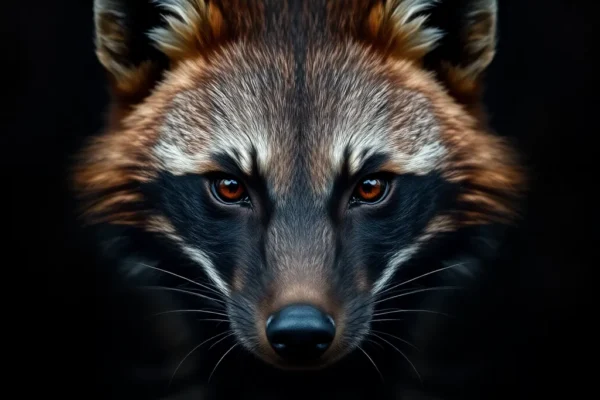
Wolverine

Gulo gulo

  • 48 km/h
  • 7–25 kg
  • 5–13 years
Boreal Forest, Tundra & Alpine Zones

The wolverine is the largest land-dwelling mustelid and arguably pound-for-pound the most ferocious predator in the Northern Hemisphere. Inhabiting remote boreal forests and Arctic tundra…

Explore
LC
Corvidae Global

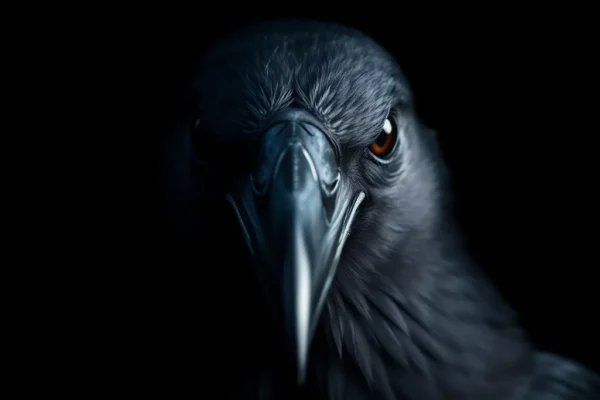
Raven

Corvus corax

  • 48 km/h
  • 0.7–1.7 kg
  • 10–15 years (wild); up to 40 years (captive)
Boreal Forest, Mountains & Tundra

The common raven is the world’s largest passerine and one of the most cognitively sophisticated animals on the planet. Ravens have demonstrated tool use, future…

Explore
LC

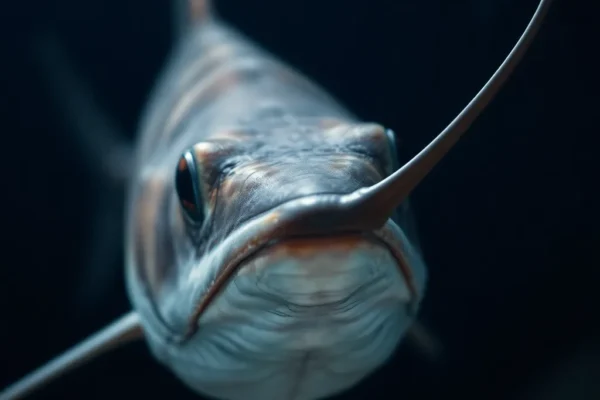
Swordfish

Xiphias gladius

  • 97 km/h
  • 90–650 kg
  • 9–15 years
Open Ocean (Epipelagic & Mesopelagic)

The swordfish is a large, highly migratory predatory fish renowned for its elongated, flattened bill, which can account for a third of its total body…

Explore
LC

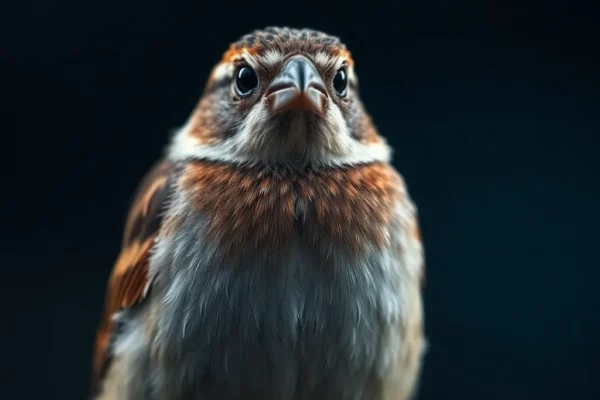
Sparrow

Passer domesticus

  • 45 km/h
  • 24–39 g kg
  • 3–5 years
Urban & Suburban Areas

The house sparrow is one of the world’s most widespread and familiar birds, having spread from its origins in the Middle East across six continents…

Explore
LC

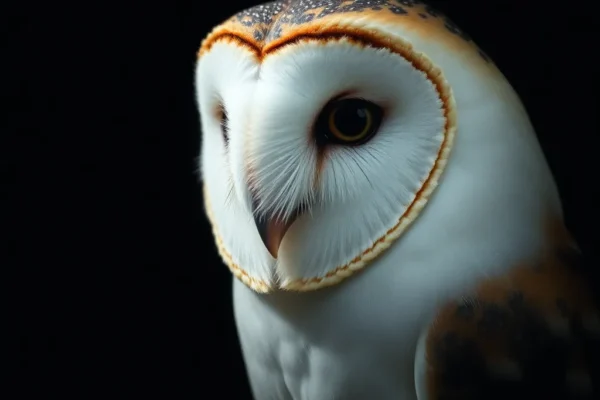
Barn Owl

Tyto alba

  • 50 km/h
  • 220-710 g kg
  • 4-20 years
Open Farmland

The barn owl is the most widely distributed land bird on Earth, found on every continent except Antarctica. Its heart-shaped facial disc is not decorative…

Explore
LC
Muridae Global

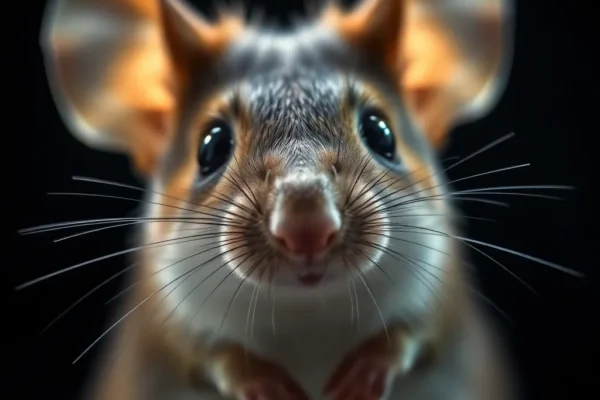
Mouse

Mus musculus

  • 13 km/h
  • 12-30 g kg
  • 1-3 years
Urban & Agricultural

The house mouse is one of the most successful mammals in history, having followed human civilization to every corner of the globe including every inhabited…

Explore
LC
Canidae Global

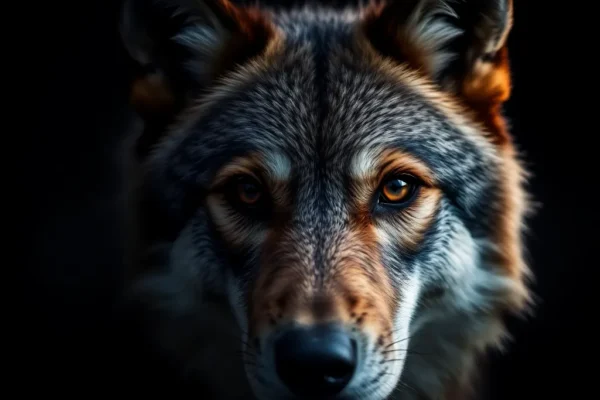
Wolf

Canis lupus

  • 60 km/h
  • 20-80 kg
  • 6-13 years
Boreal Forest

The gray wolf is the largest wild member of the dog family and one of the most ecologically impactful predators on Earth. Wolves hunt in…

Explore
LC

Ant

Formica rufa

  • 3 km/h
  • 1–50 mg kg
  • 1–15 years (varies by caste)
Forest, Grassland, Urban Areas

The red wood ant is one of the largest ant species in Europe and a keystone species of temperate forest ecosystems, constructing mound nests that…

Explore
LC
Ardeidae Global

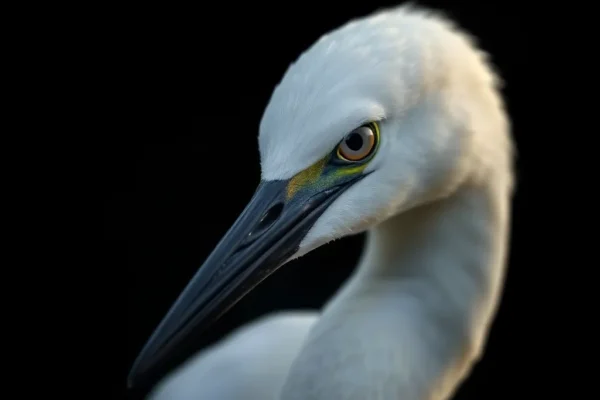
Egret

Ardea alba

  • 48 km/h
  • 700–1,500 g kg
  • 15–22 years
Wetlands, Marshes, Estuaries

The great egret is a tall, elegant wading bird found on every continent except Antarctica, identifiable by its pure white plumage, yellow dagger-like bill, and…

Explore
DD

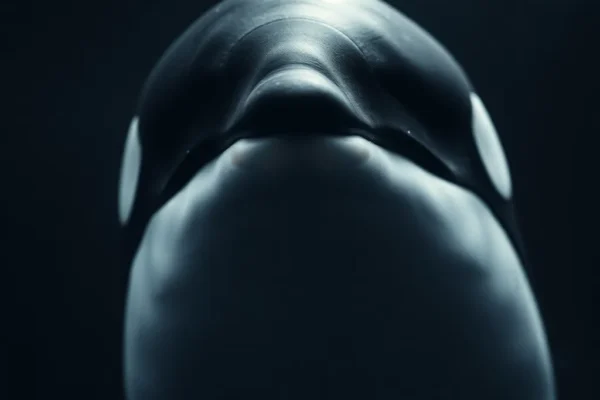
Orca

Orcinus orca

  • 56 km/h
  • 3,600–5,400 kg
  • 50–90 years
Open Ocean, Coastal Waters

The orca, or killer whale, is the largest member of the dolphin family and the ocean’s undisputed apex predator. Found in every ocean from the…

Explore
LC

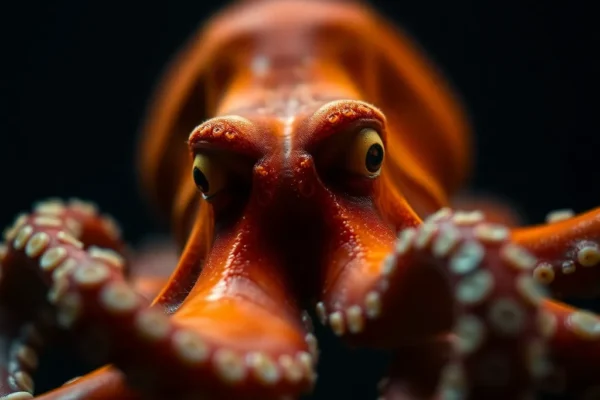
Octopus

Octopus vulgaris

  • 40 km/h (jet)
  • 1-3 kg
  • 1-2 years
Coastal Ocean

The common octopus is one of the most intelligent invertebrates on Earth, capable of problem-solving, tool use, and short-term memory. With three hearts, blue copper-based…

Explore

Advertisement