Loading Wildlife…

VU
Emydidae Americas

Box Turtle

Terrapene carolina

  • 0.27 km/h
  • 300–600 g kg
  • 50–100+ years
Temperate Deciduous Forest & Meadows

The eastern box turtle is a terrestrial turtle famous for its unique hinged plastron, which allows it to seal itself completely inside its shell —…

Explore
LC

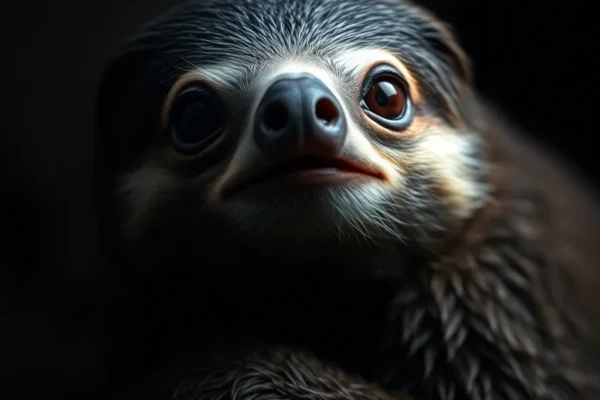
Sloth

Bradypus tridactylus

  • 0.27 km/h
  • 3.5–4.5 kg
  • 20–30 years
Tropical Rainforest

The pale-throated three-toed sloth is one of the slowest-moving mammals on Earth, a lifestyle dictated by its low-calorie leaf diet. Moving at less than 300…

Explore
LC
Sciuridae Americas

Squirrel

Sciurus carolinensis

  • 25 km/h
  • 400–600 g kg
  • 6–12 years
Temperate Deciduous Forest & Urban Areas

The eastern gray squirrel is one of North America’s most recognizable mammals, equally at home in mature hardwood forests and city parks. Renowned for their…

Explore
LC

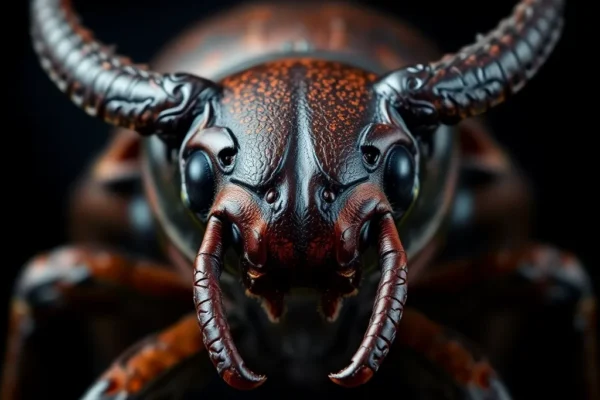
Rhinoceros Beetle

Dynastes hercules

  • 2.5 km/h
  • Up to 100 g kg
  • 1-3 years
Tropical Rainforest

The Hercules beetle is the longest beetle species in the world when horn length is included, with males growing impressive pronotal horns used in dramatic…

Explore
LC

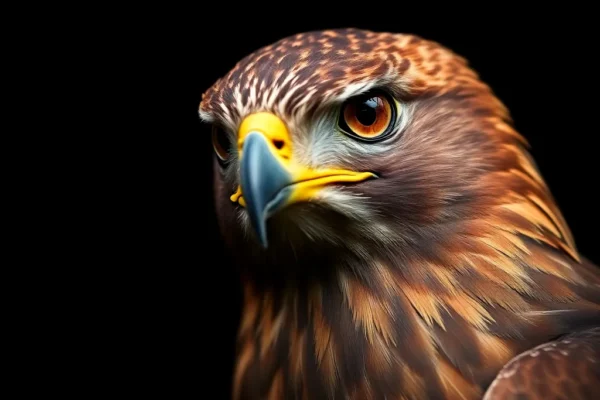
Hawk

Buteo jamaicensis

  • 190 km/h
  • 690-1460 g kg
  • 10-21 years
Open Woodland

The red-tailed hawk is North America’s most common and recognizable large hawk, its piercing cry so iconic that Hollywood uses it for virtually every eagle…

Explore
LC
Corvidae Americas

Crow

Corvus brachyrhynchos

  • 70 km/h
  • 316-620 g kg
  • 7-14 years
Urban & Woodland

The American crow is one of the most intelligent birds on the planet, demonstrating problem-solving, tool use, facial recognition, and complex communication in the wild.…

Explore
LC
Trochilidae Americas

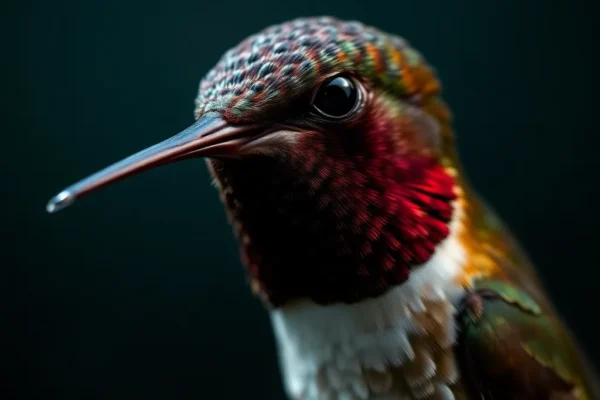
Hummingbird

Archilochus colubris

  • 79 km/h
  • 2.5-4.5 g kg
  • 3-5 years
Woodland

The ruby-throated hummingbird is the only hummingbird species that breeds in eastern North America, migrating up to 900 km across the Gulf of Mexico non-stop…

Explore
VU
Limulidae Americas

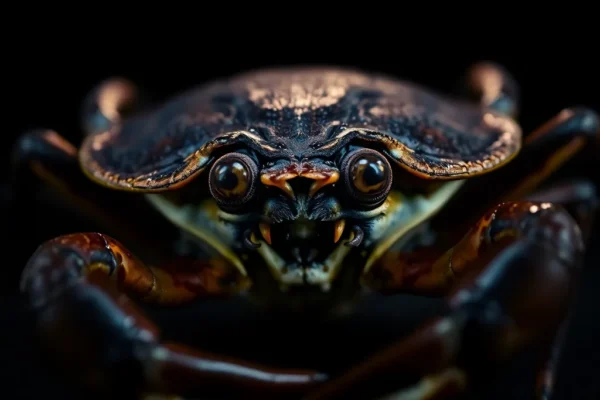
Horseshoe Crab

Limulus polyphemus

  • 1 km/h
  • Up to 4 kg
  • 20-40 years
Coastal Ocean

The horseshoe crab is one of Earth’s oldest animal lineages, virtually unchanged for 450 million years. Despite its name, it is more closely related to…

Explore
LC
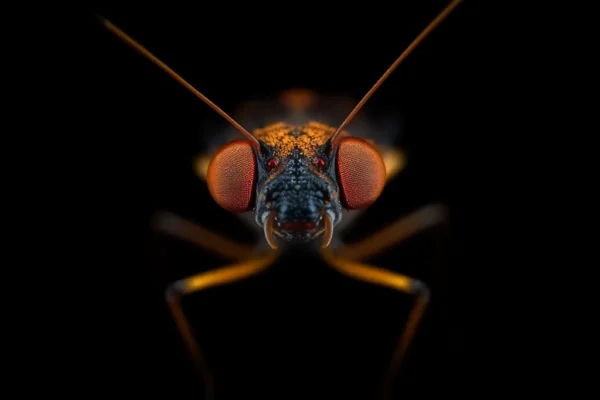
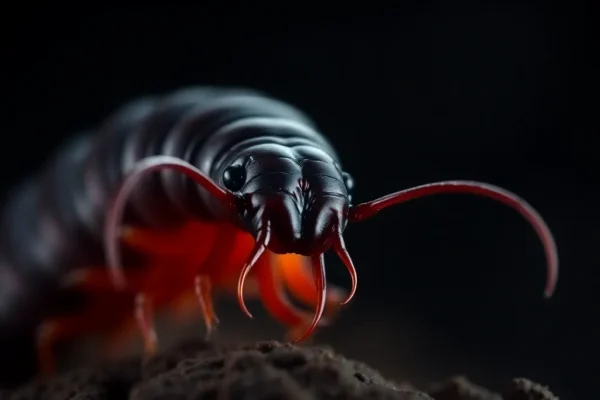
Centipede

Scolopendra gigantea

  • 1.5 km/h
  • 3–7 g kg
  • 10 years
Tropical Rainforest, Cave Systems

The Amazonian giant centipede is the world’s largest centipede, capable of reaching 30 cm in length and powerful enough to hunt prey including large spiders,…

Explore
LC
Lampyridae Americas

Firefly

Photinus pyralis

  • 1 km/h
  • 10–30 mg kg
  • 2 months (adult) yrs
Meadows, Forest Edges, Wetland Margins

The common eastern firefly is a bioluminescent beetle whose cold light — produced by a chemical reaction between luciferin and the enzyme luciferase — is…

Explore
LC
Sphingidae Americas

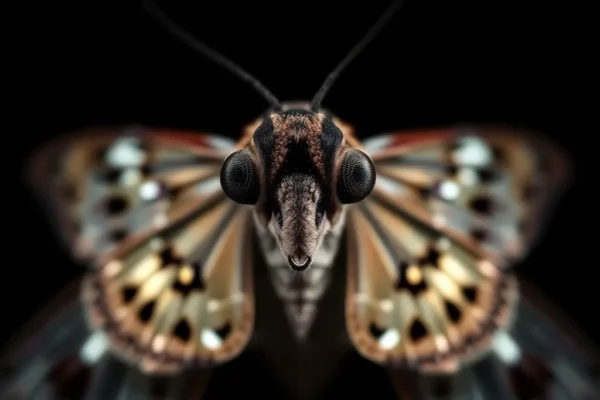
Moth

Manduca sexta

  • 17 km/h
  • 2–3 g kg
  • 2–3 weeks (adult) yrs
Gardens, Agricultural Fields, Shrubland

The tobacco hawkmoth is a large, powerfully flying sphinx moth whose hovering flight — achieved through rapid wingbeats generating aerodynamic forces analogous to a helicopter…

Explore
LC

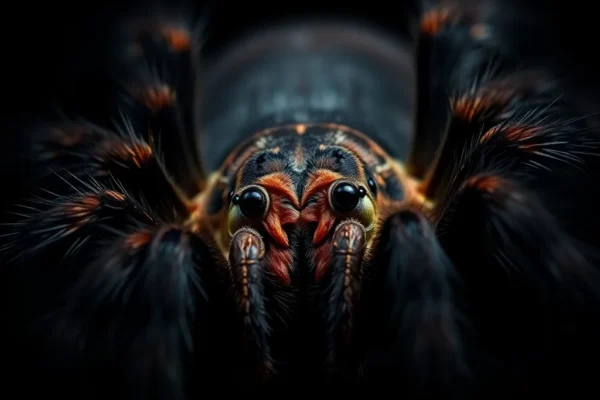
Tarantula

Grammostola pulchripes

  • 2 km/h
  • 50–85 g kg
  • 25–30 years (female)
Dry Grassland, Chaco Region

The Chaco golden knee tarantula is among the most docile of the world’s approximately 900 tarantula species, making it a popular ambassador for arachnids that…

Explore

Advertisement